
GWANWYN HAF HYDREF GAEAF | SPRING SUMMER WINTER AUTUMN
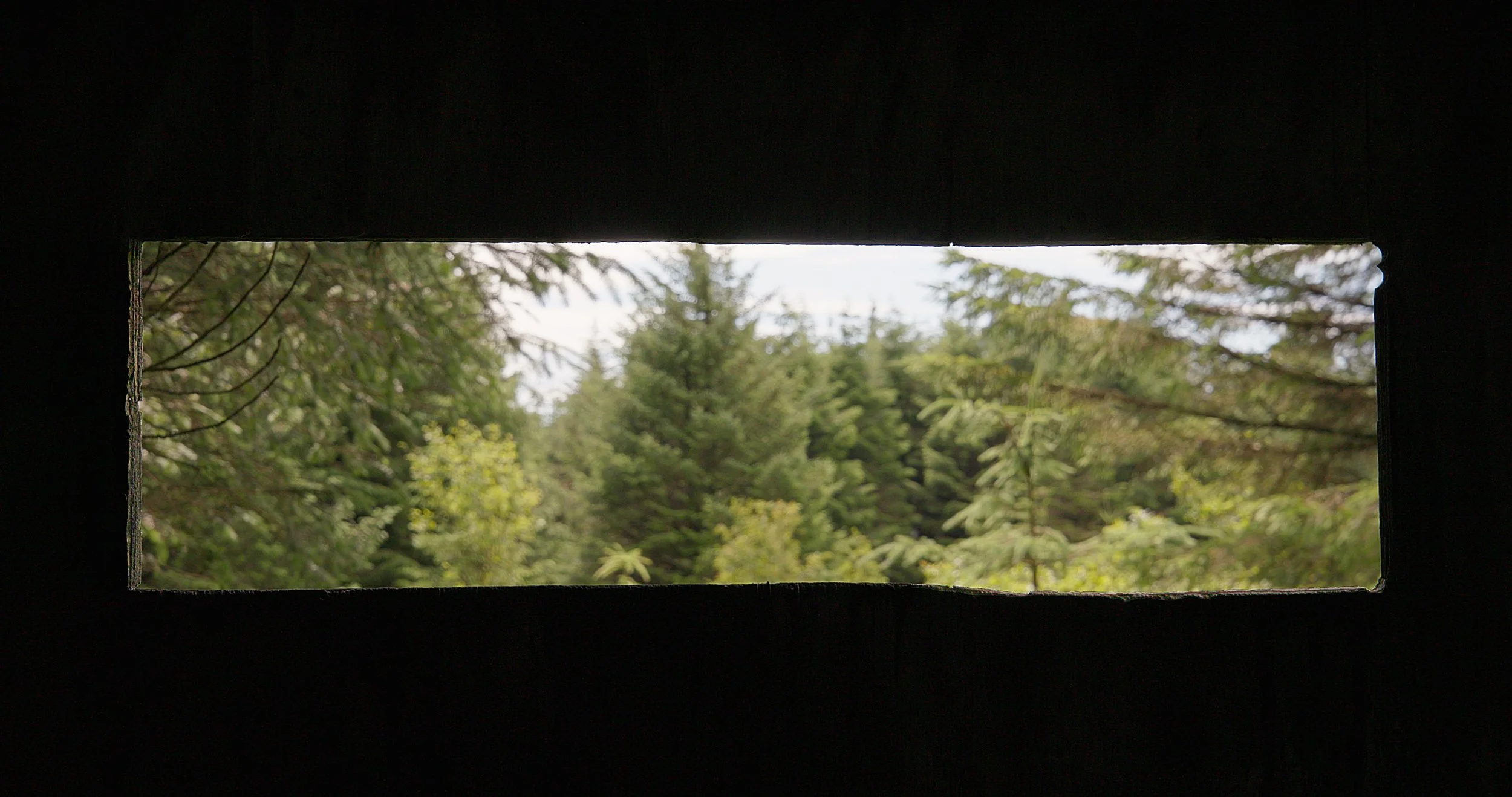
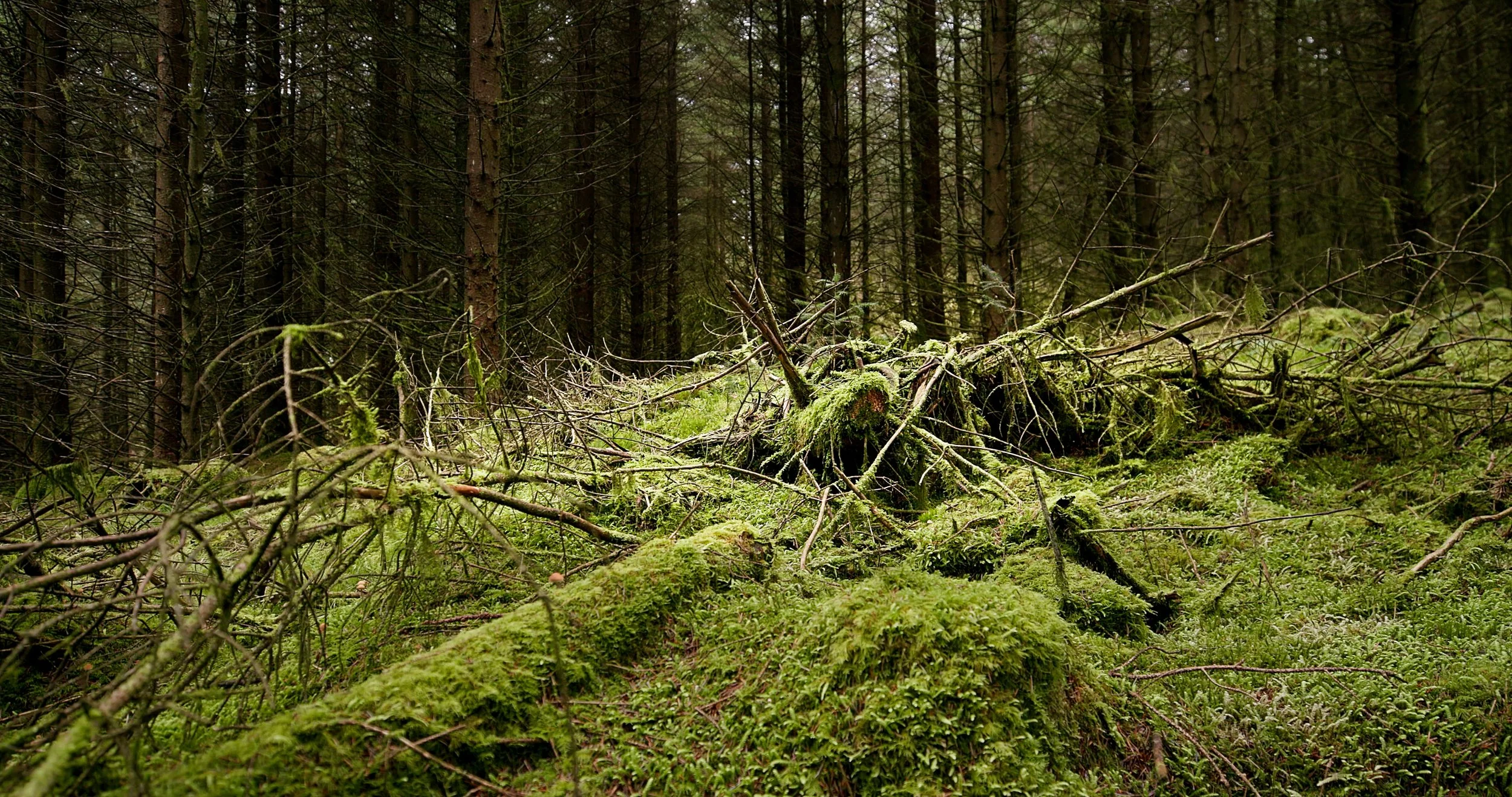
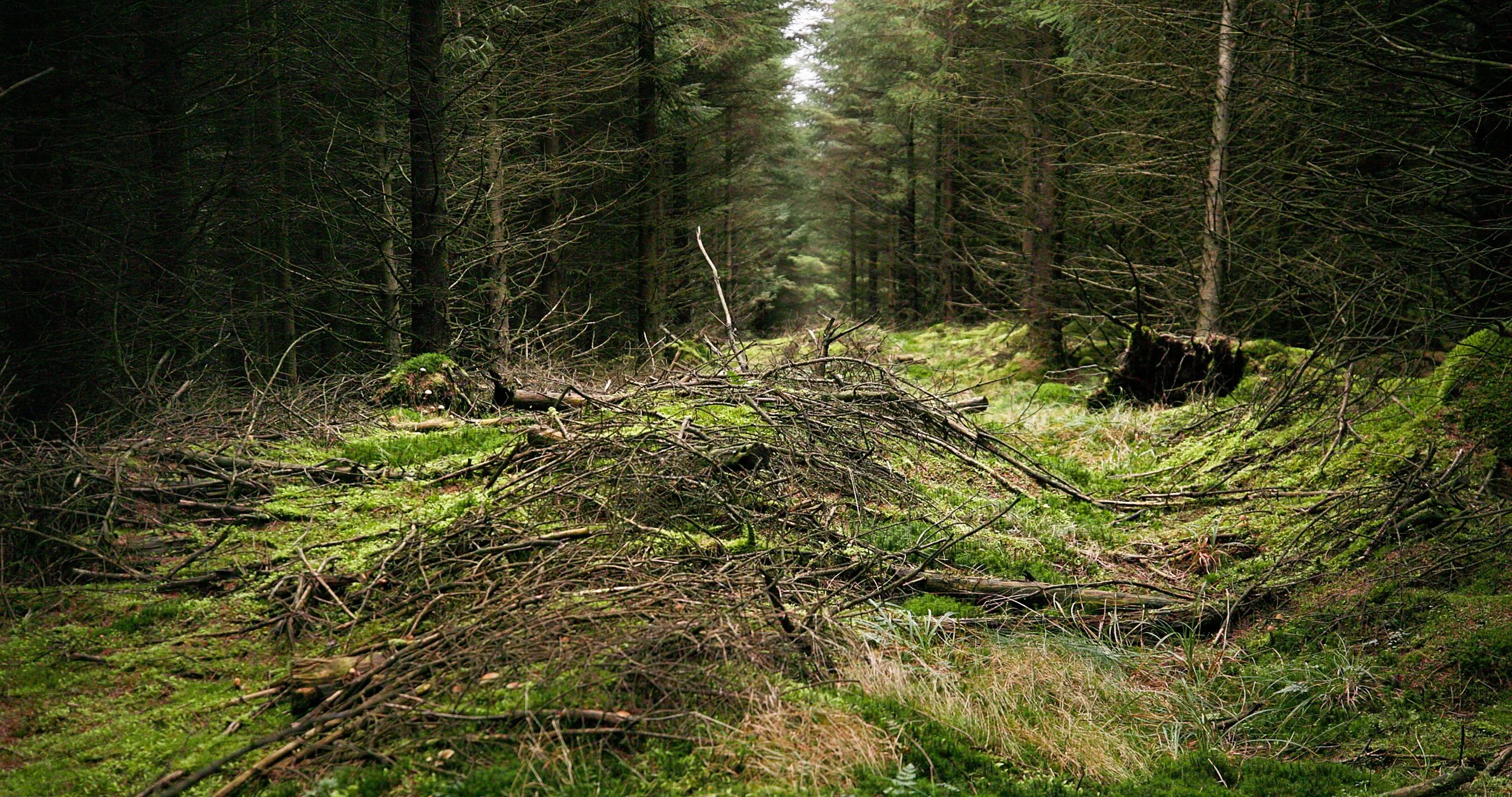
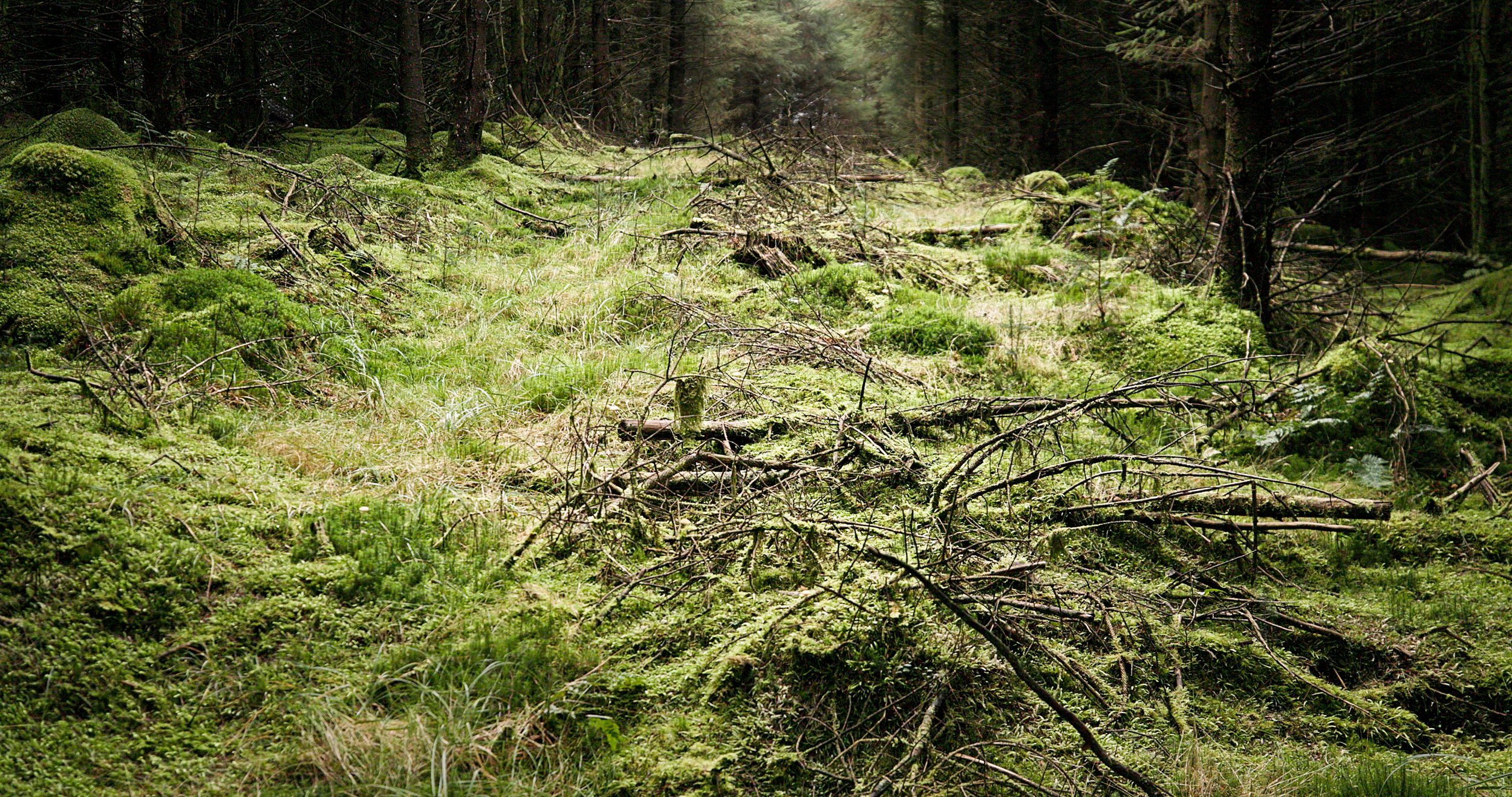
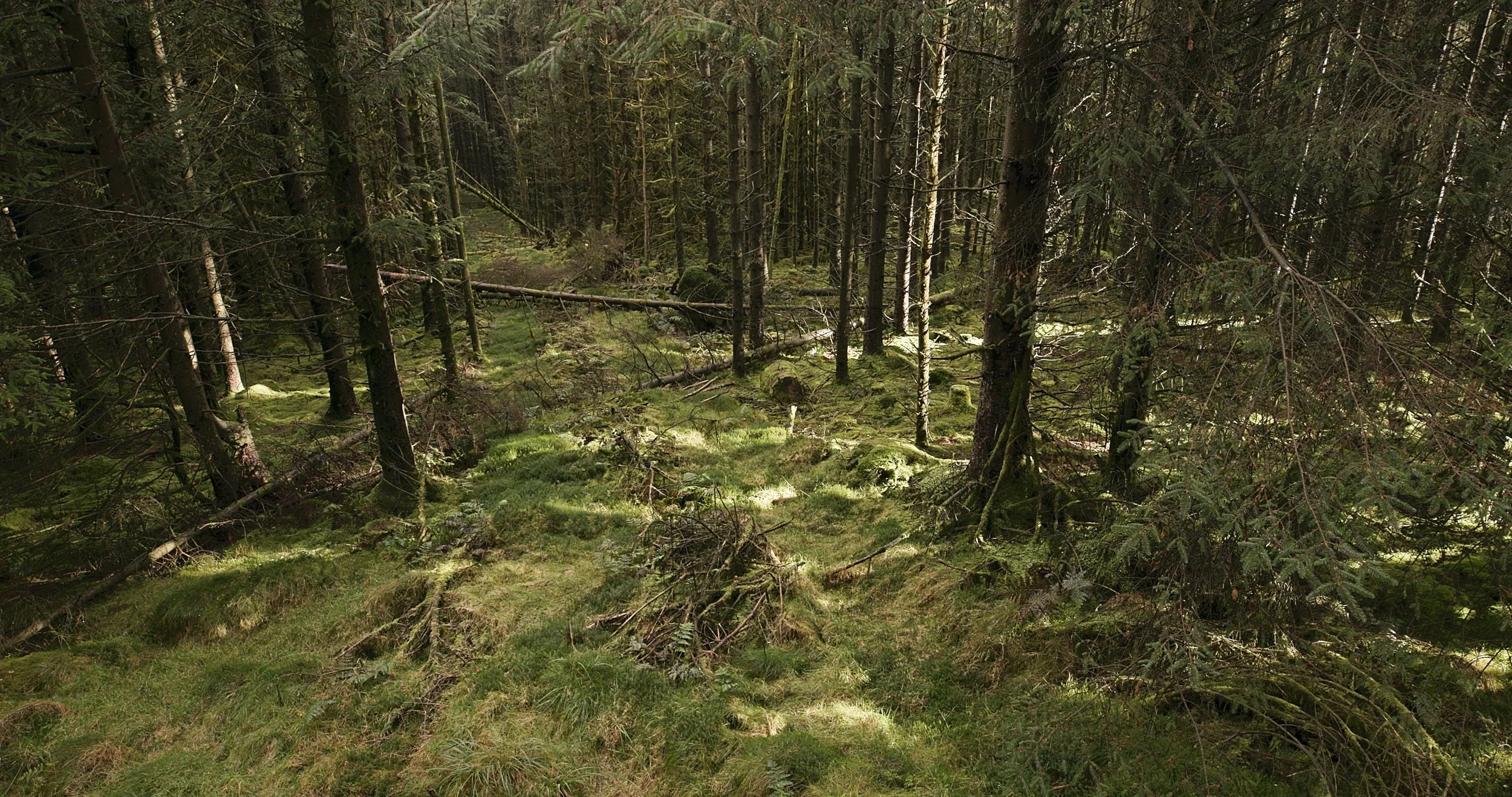
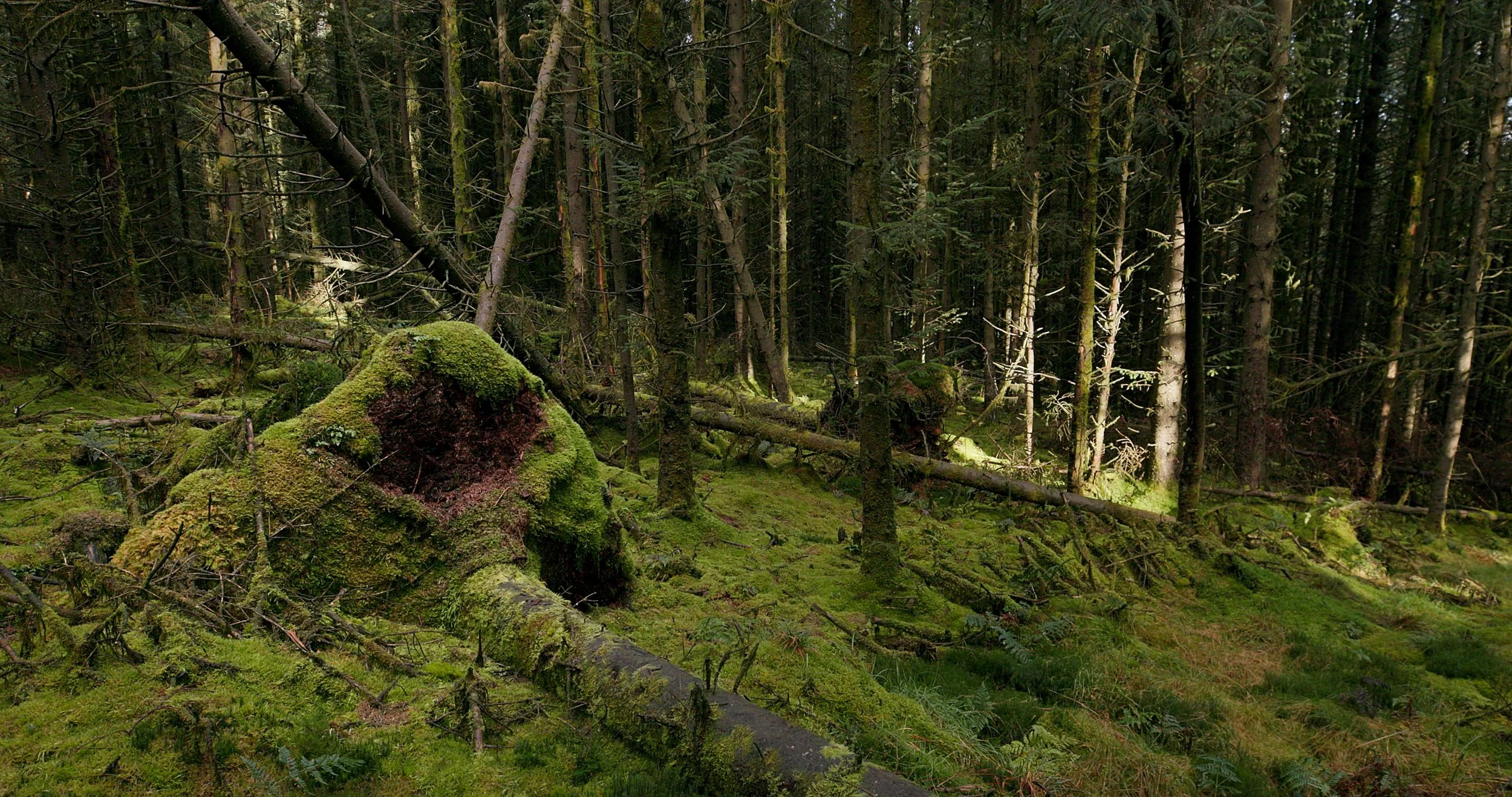
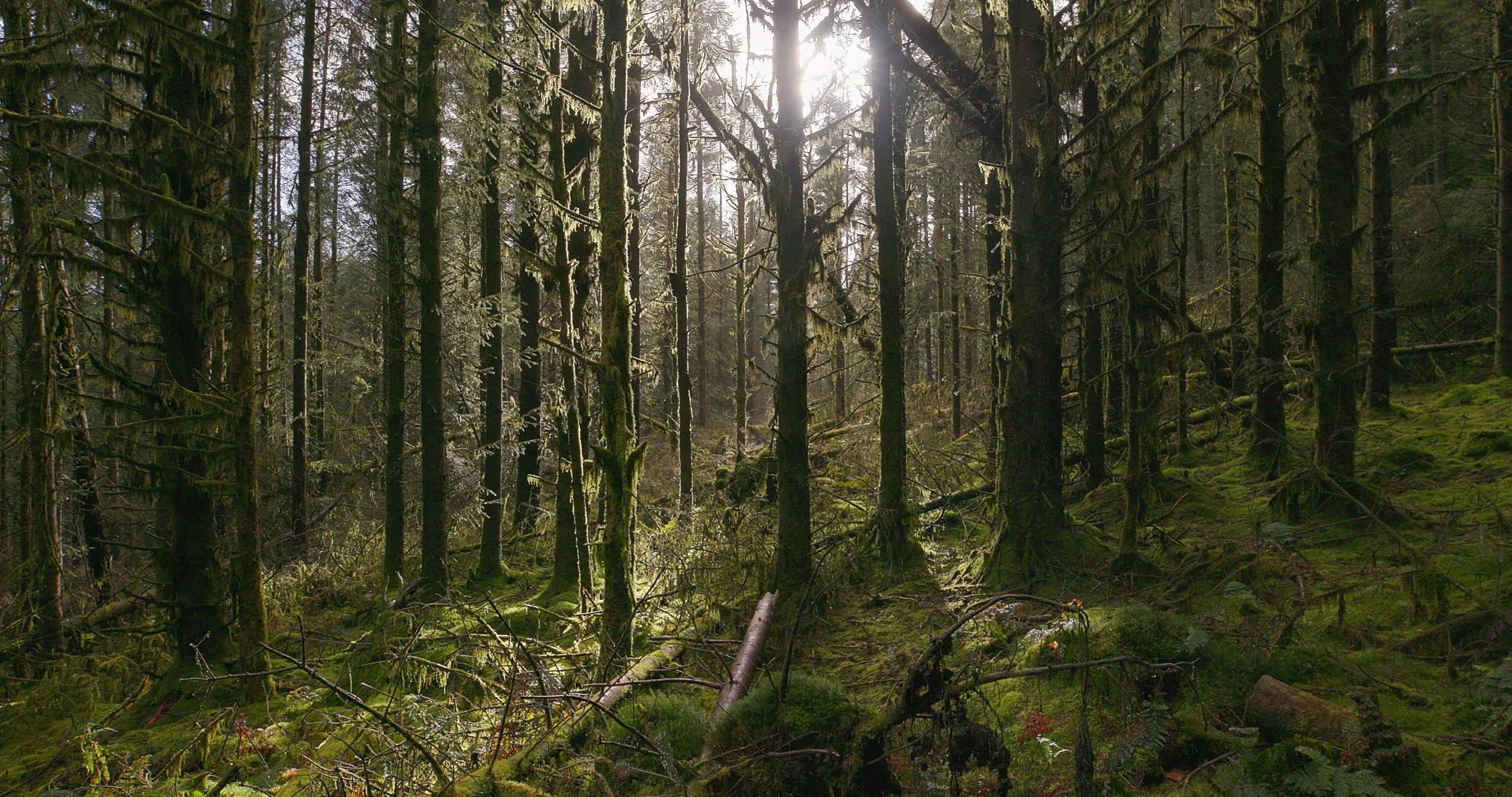
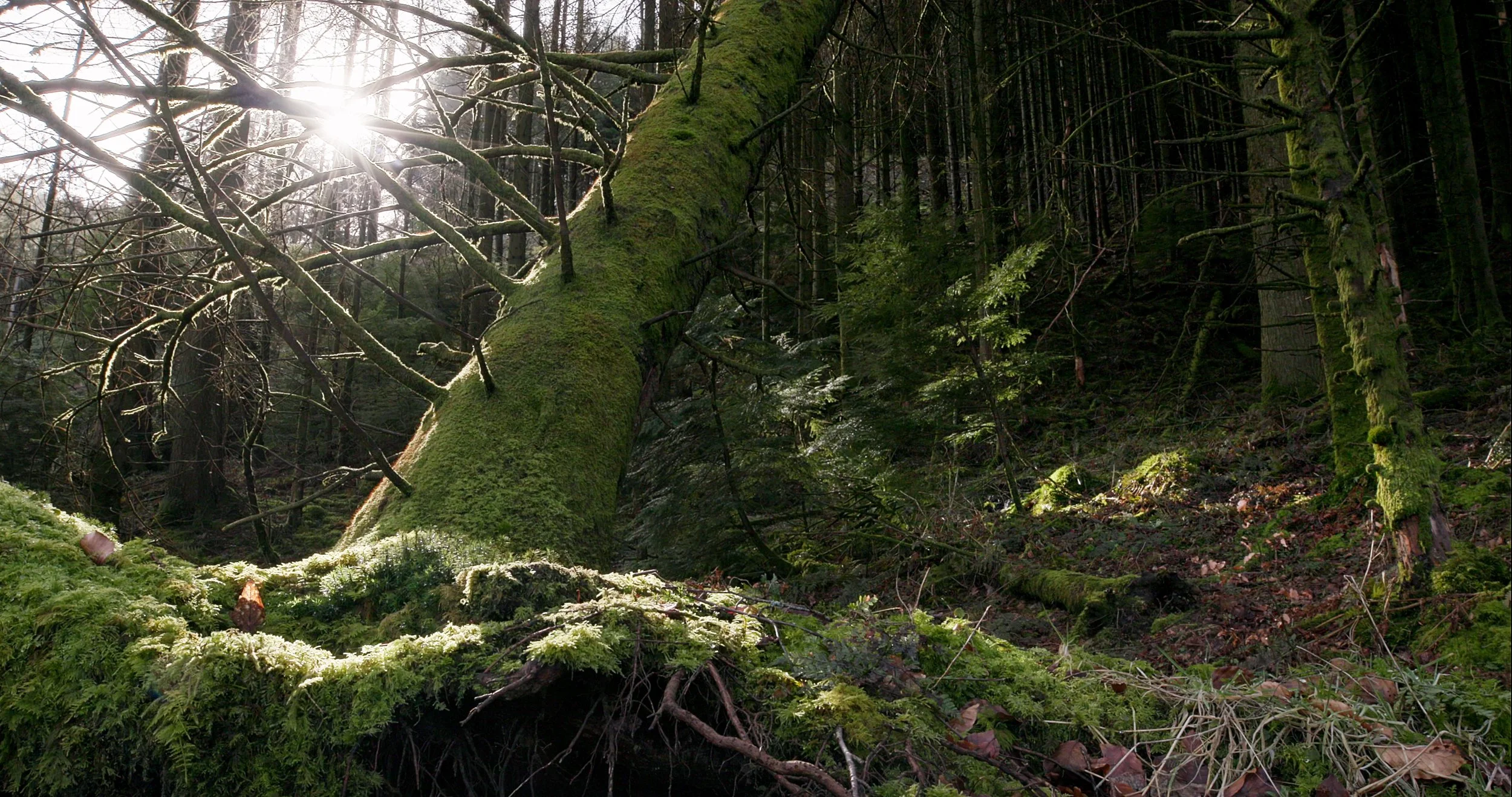
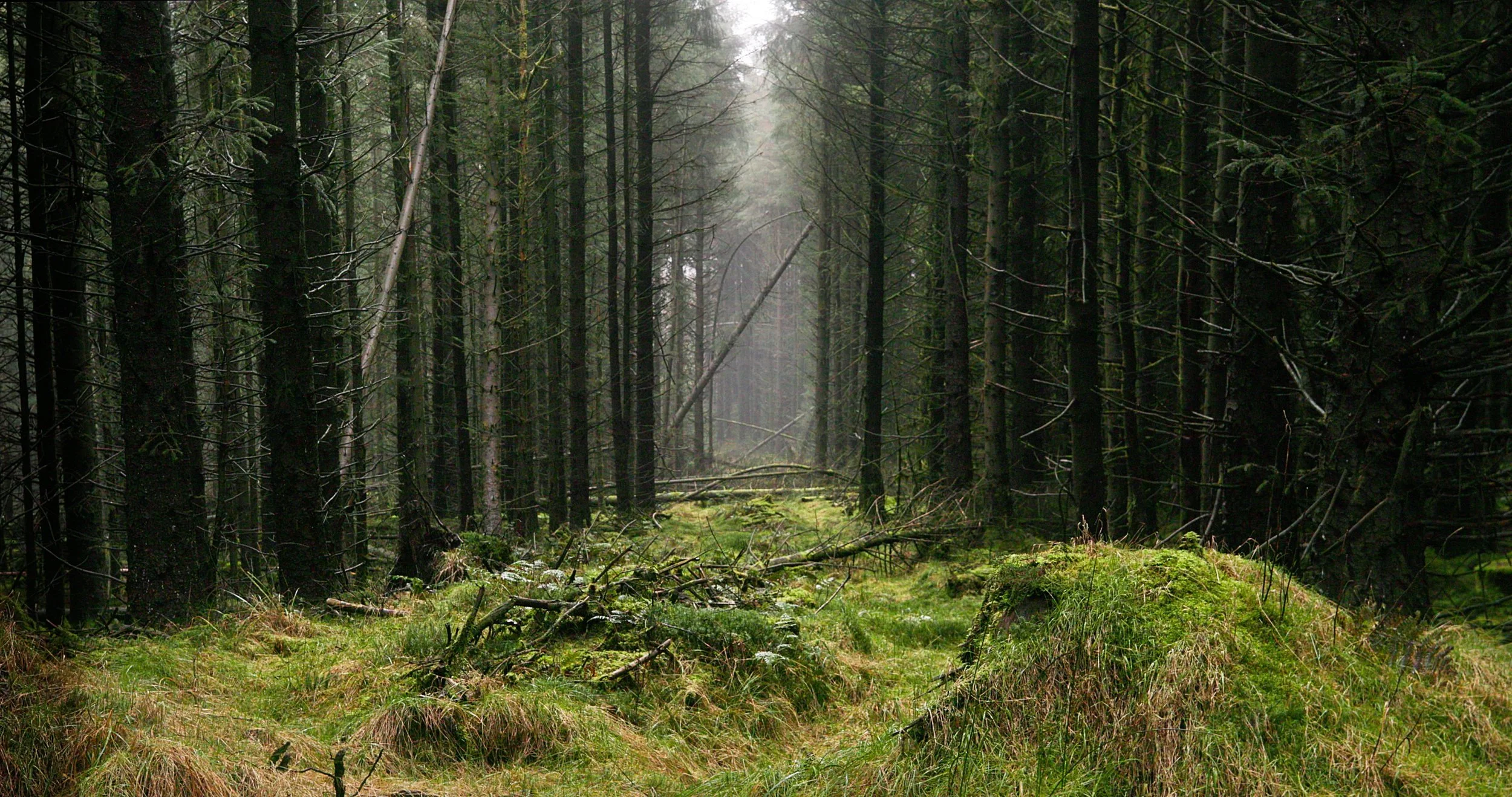
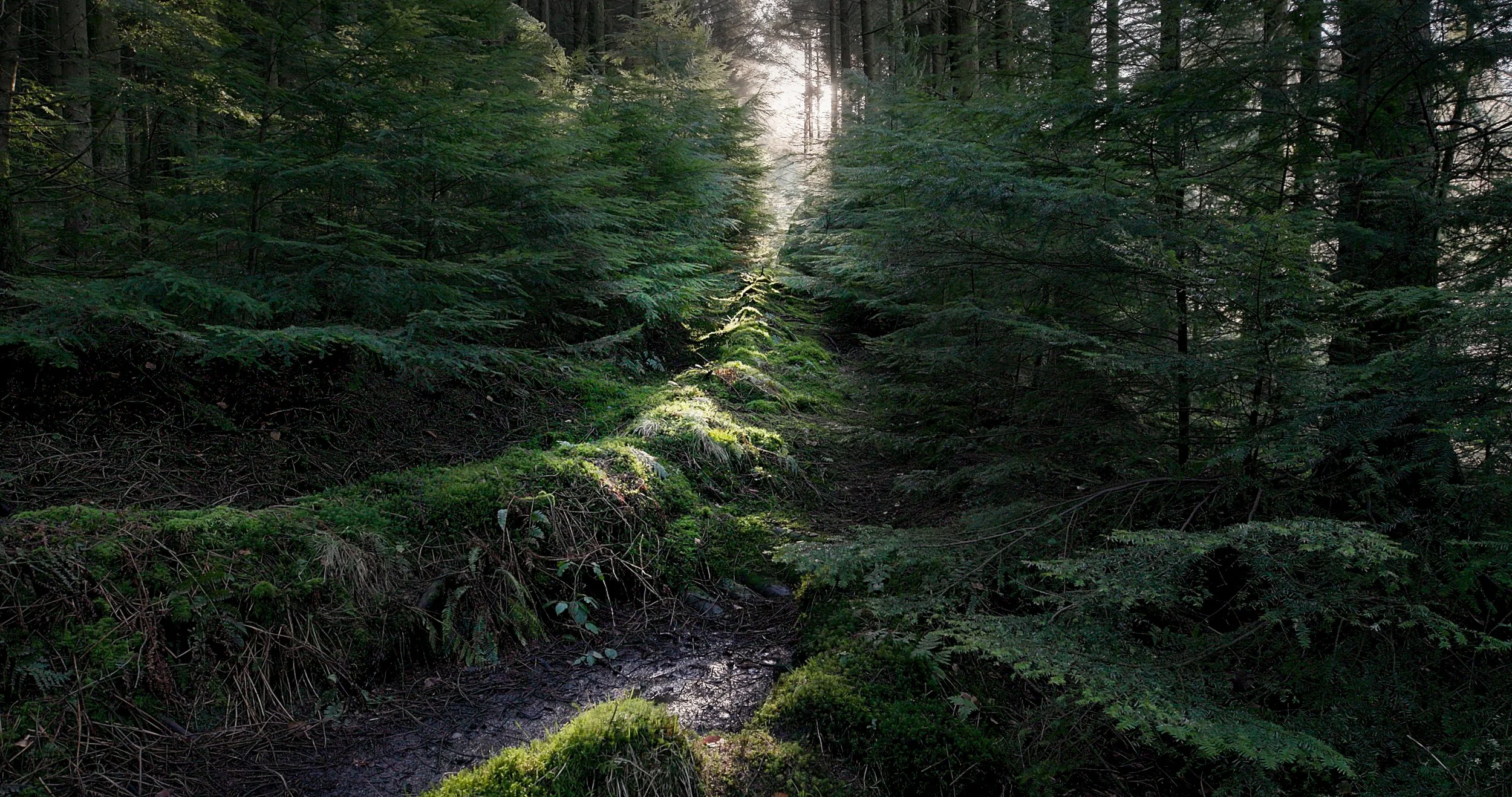
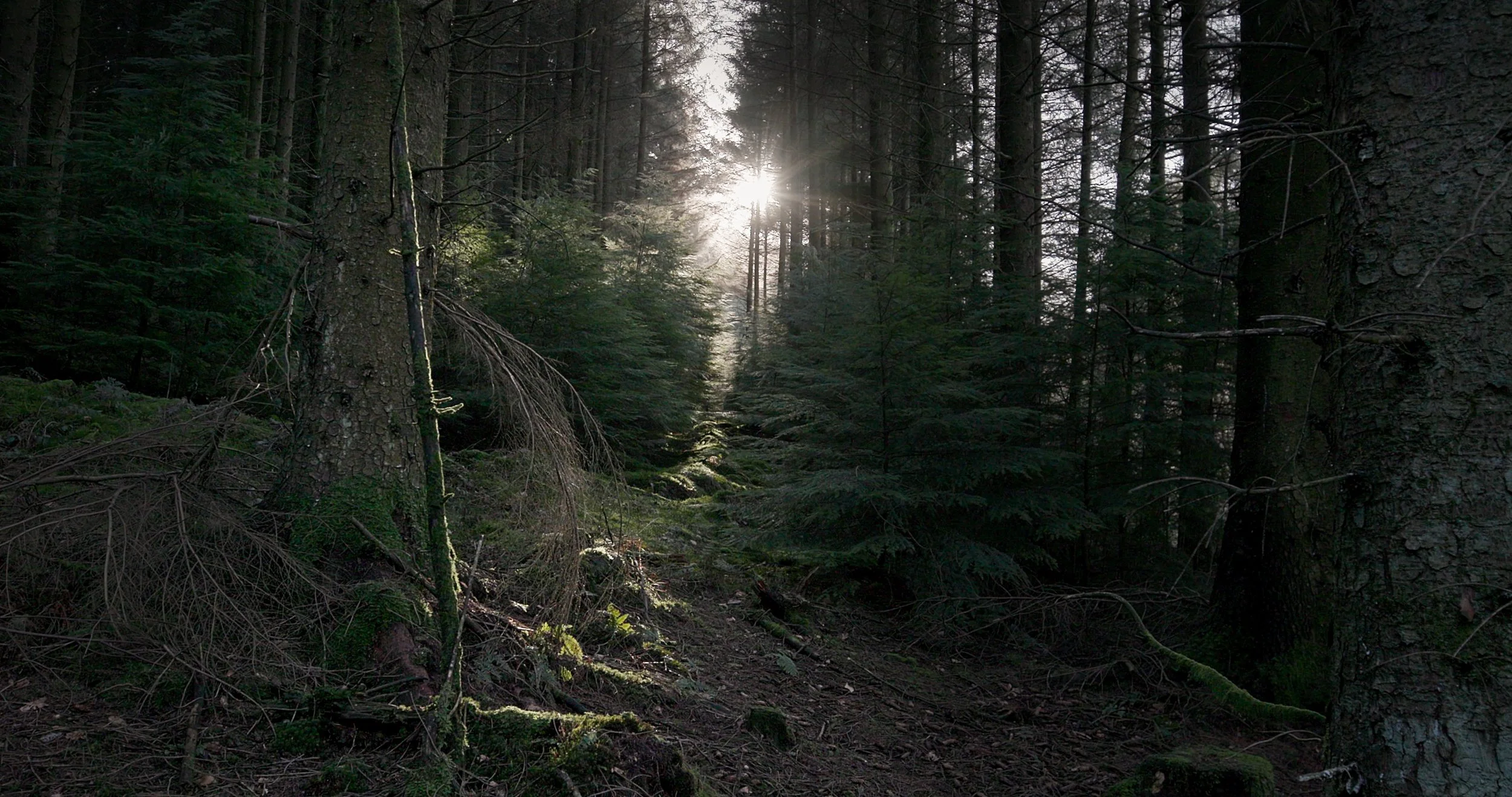
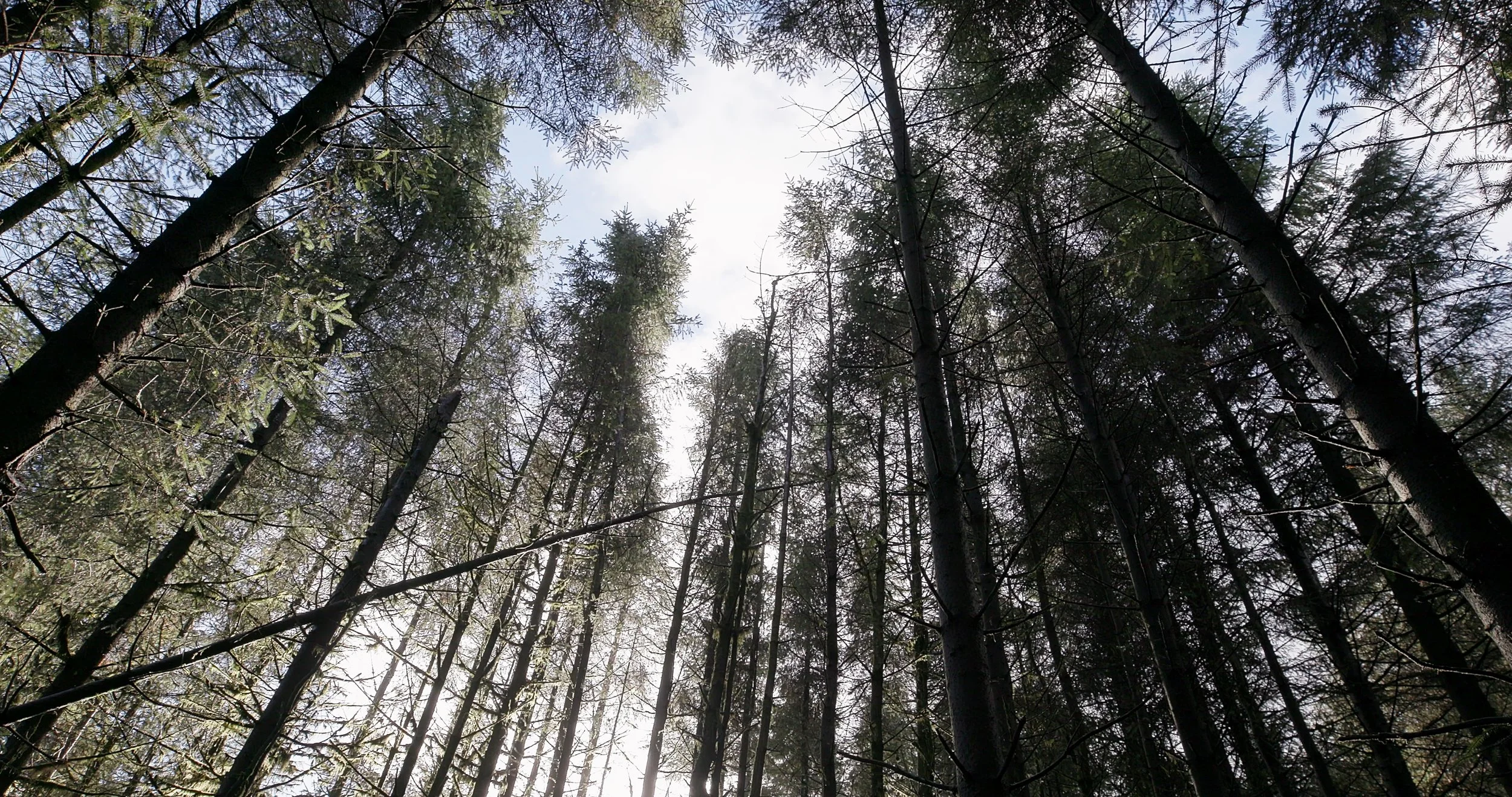
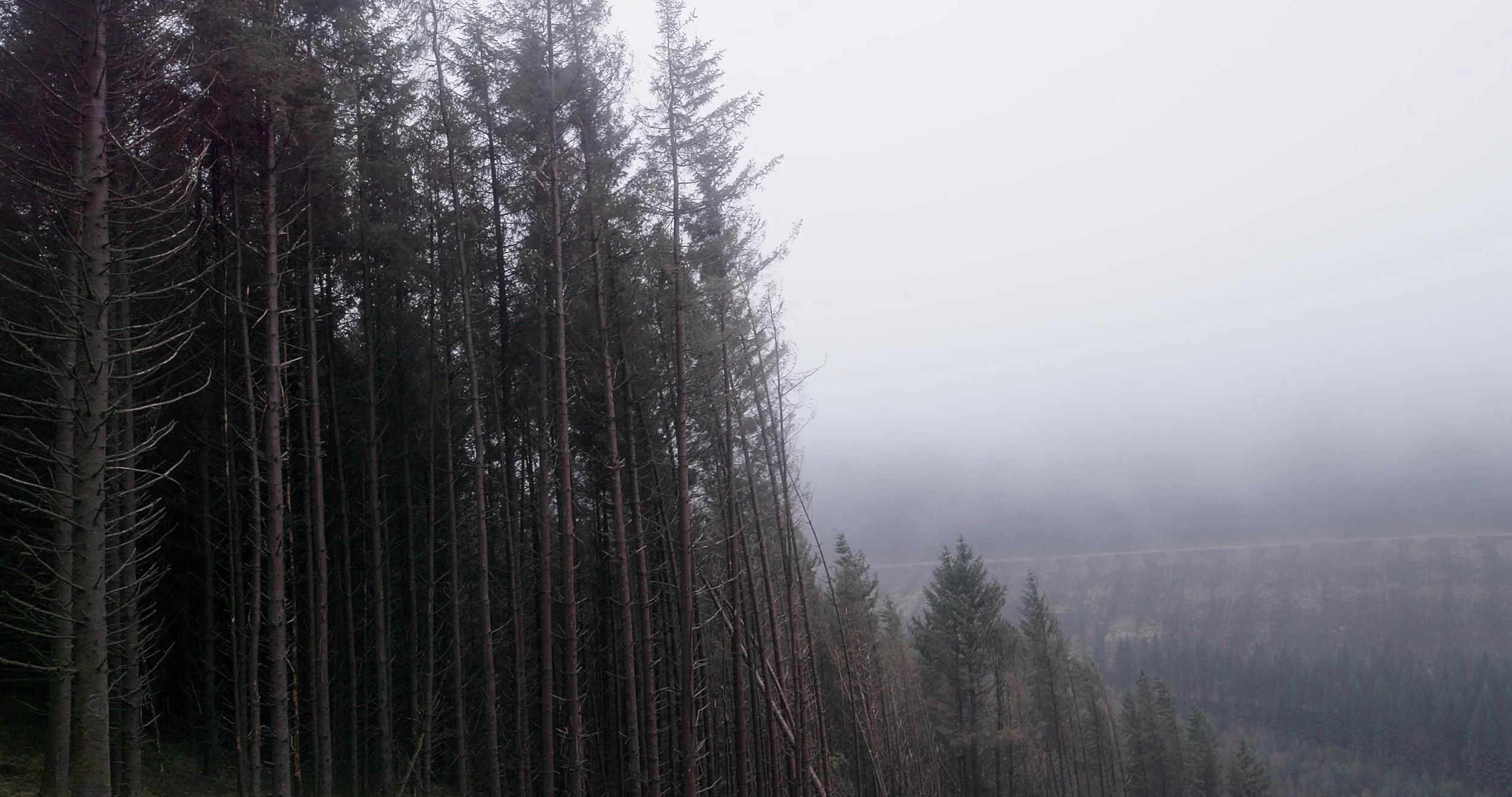
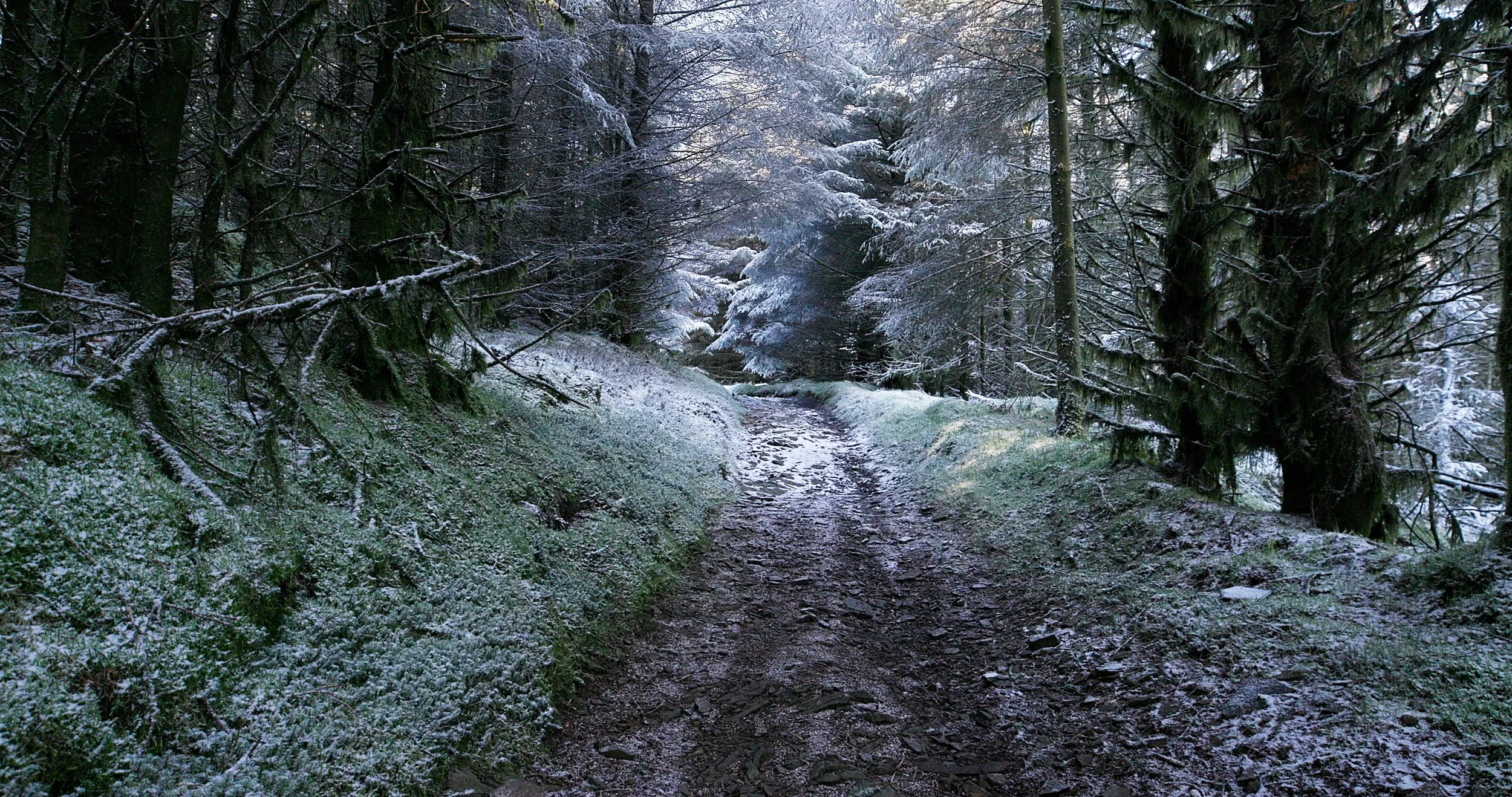
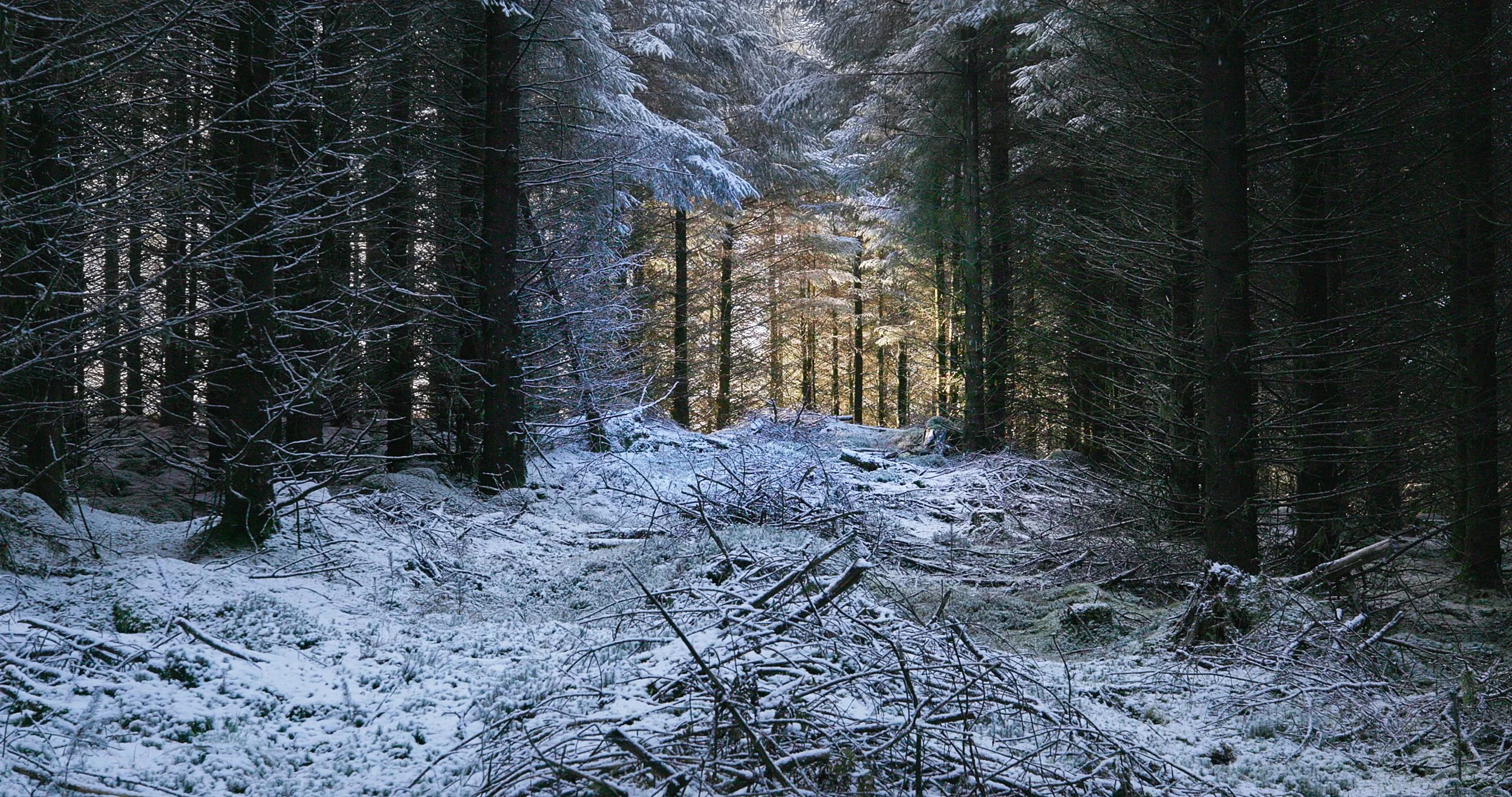
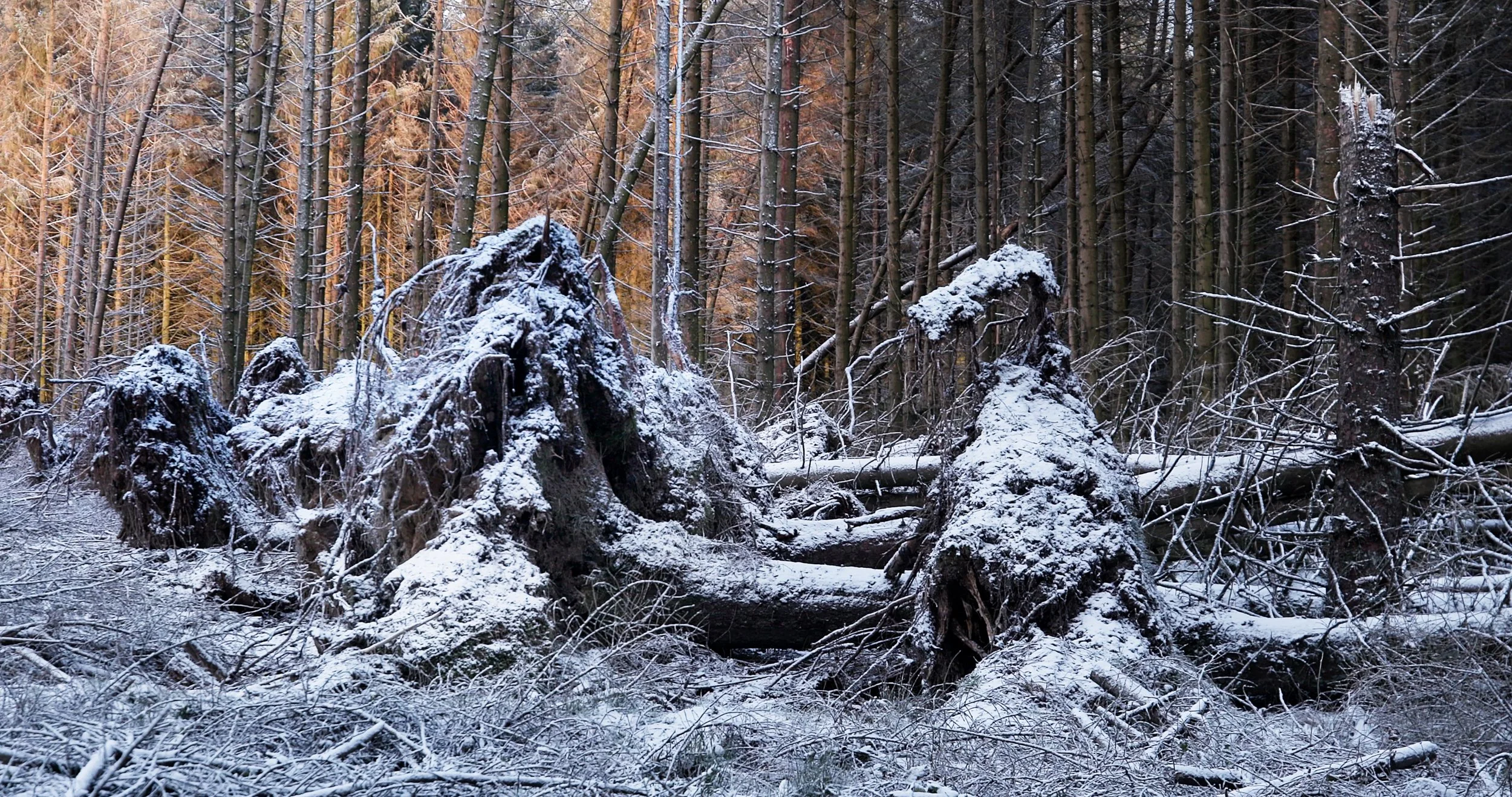
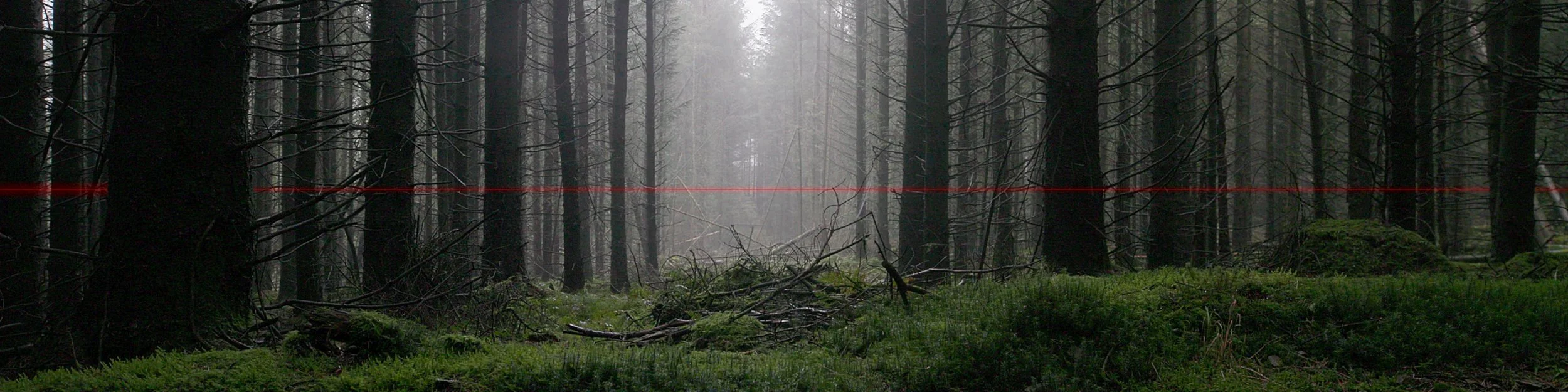
To the casual eye the forest’s interior of Sitka spruce can appear seasonless. It’s as if the forest has the seasons on hold. There are no falling leaves to remind you of where you are in the year and only the most extreme weather penetrates its inner depths. The glow and height of the sun arcing through the pine spires can often be the only indication of time passing. Like a frozen still the trees stand in silence. It’s as if the seasons have forgotten their names. You have to look closer to see the subtle changes that the seasons bring under the canopy, otherwise the seasons seemingly blend. Sightings of wildlife are fleeting. Irruptive Siskins seem ever-present company under the canopy. But the call of the Cuckoo is a clear indication of the arrival of summer. Its presence though is portentous considering where we are.
THE FALL LINE
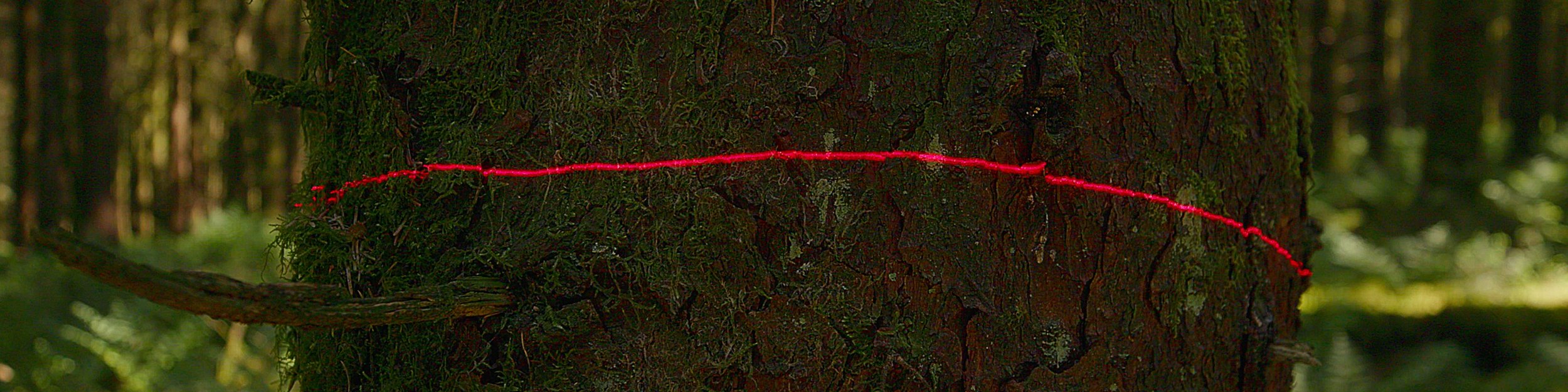
Between the forest and the tree LINE
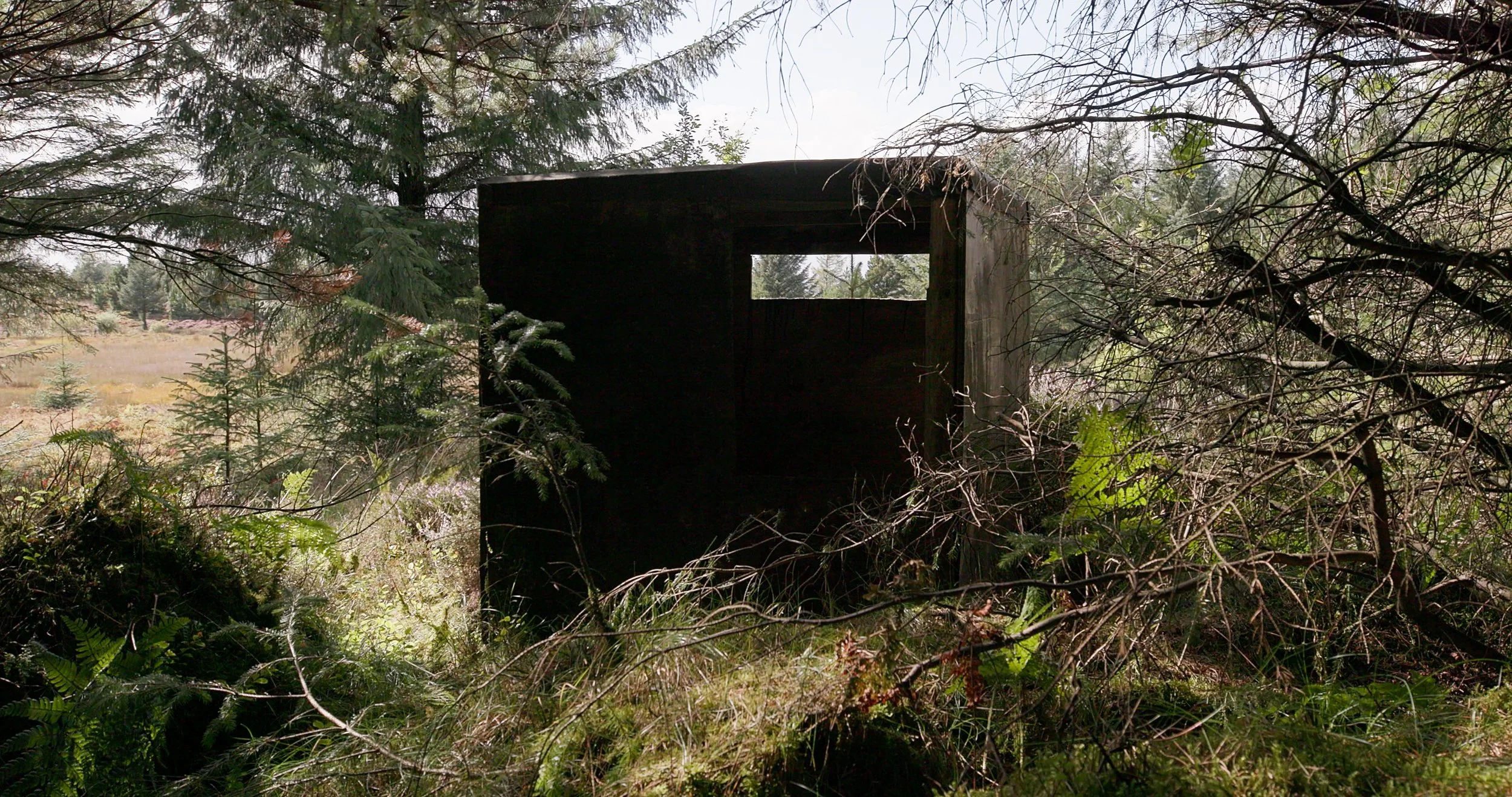
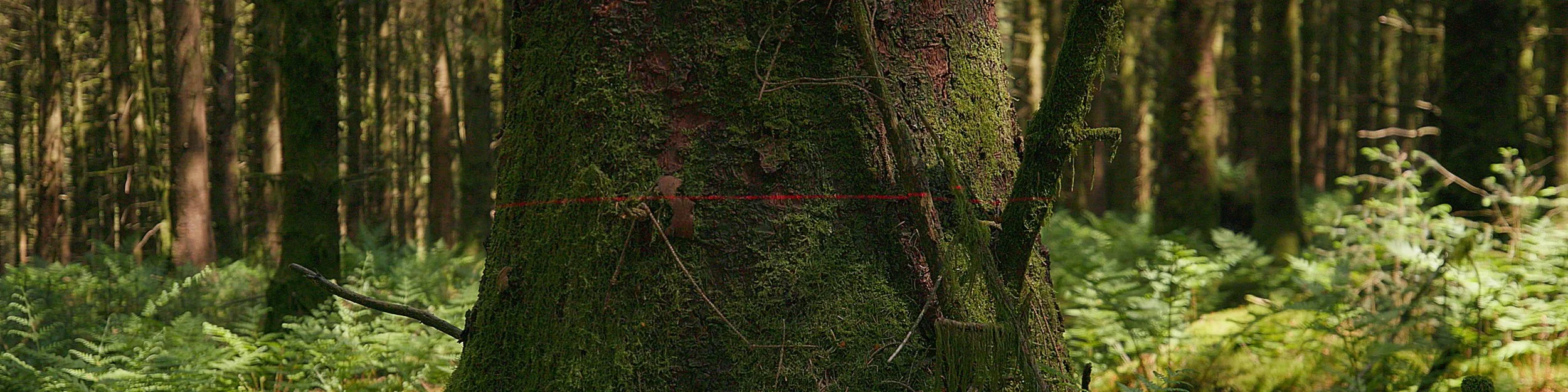
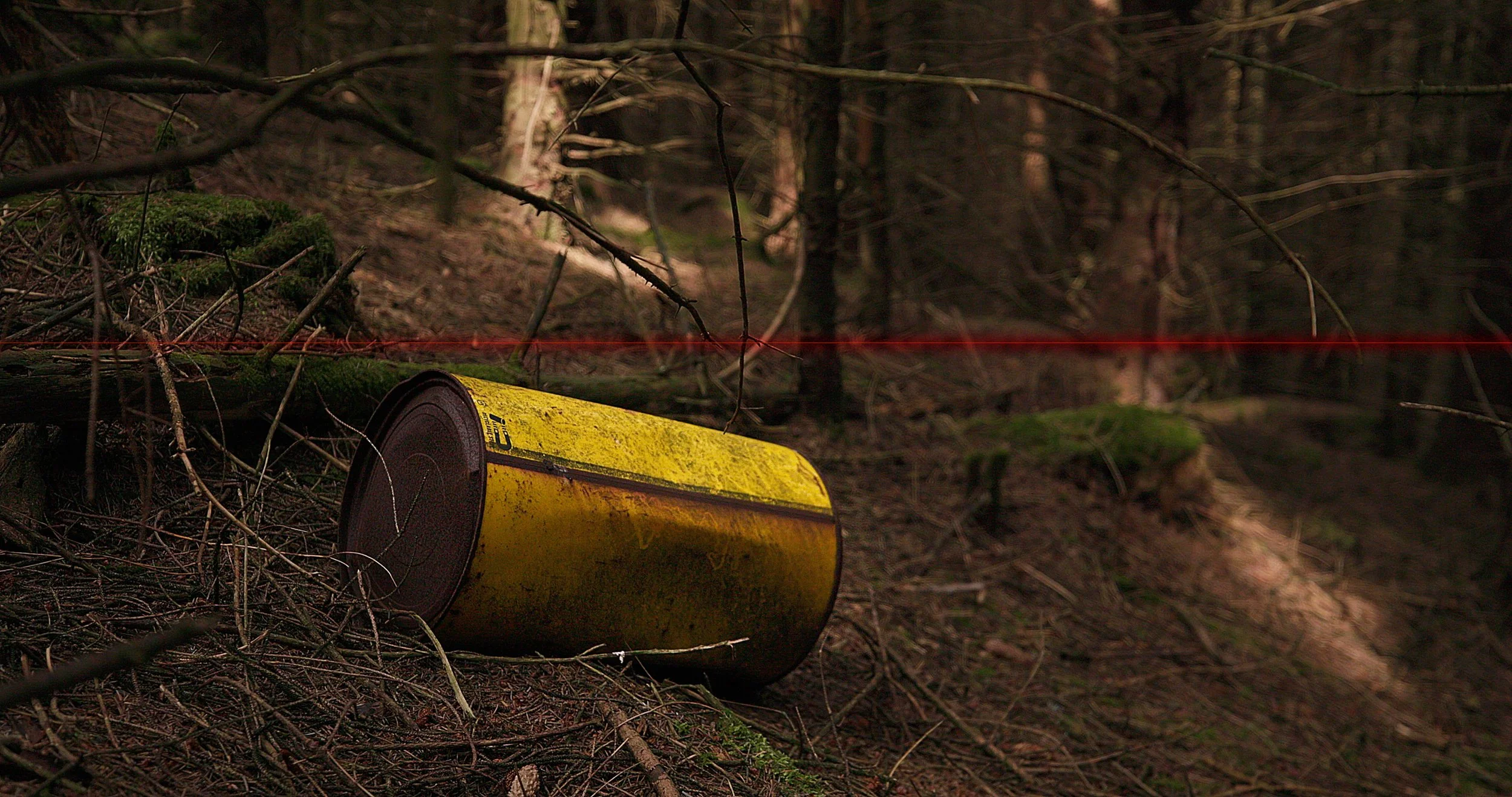
When I walk in today I am acutely aware I’m stepping into someone else’s territory. Under the forest canopy you occasionally find forgotten and abandoned objects. Some lying on top of, some protruding from the drifts of pine needles. These objects communicate passages and activities of today and the past. Some explainable but others not so easily. The forester’s paint, traditionally red or blue and used to designate trees for extraction, are reminders of the forest’s DNA and purpose. Discarded oil drums indicate past logging activities and rolls of old stock fencing, with posts still attached, tell a story of old field boundaries before the forest was planted.
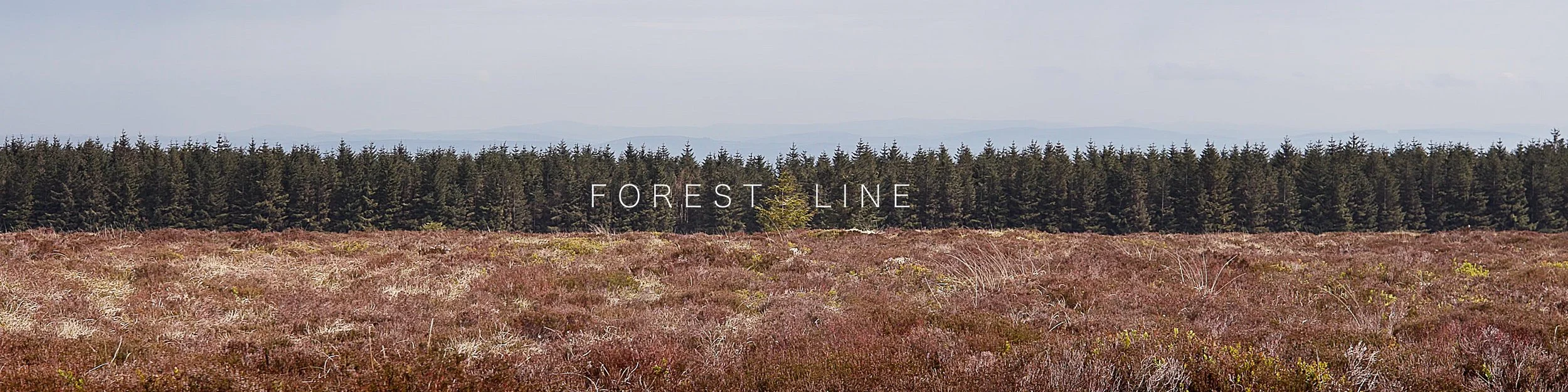
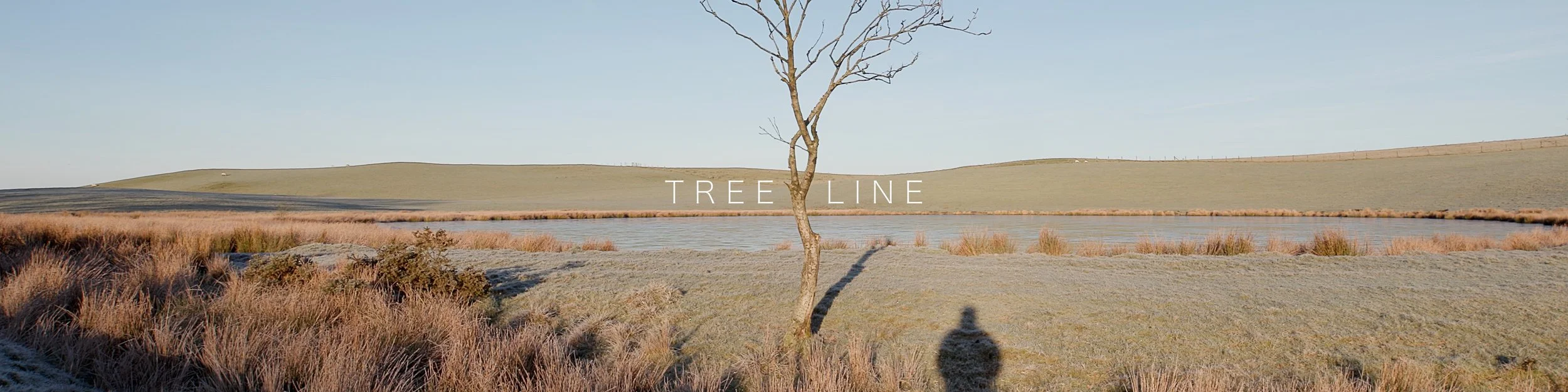
‘I’ve come to spend the night in the forest.’
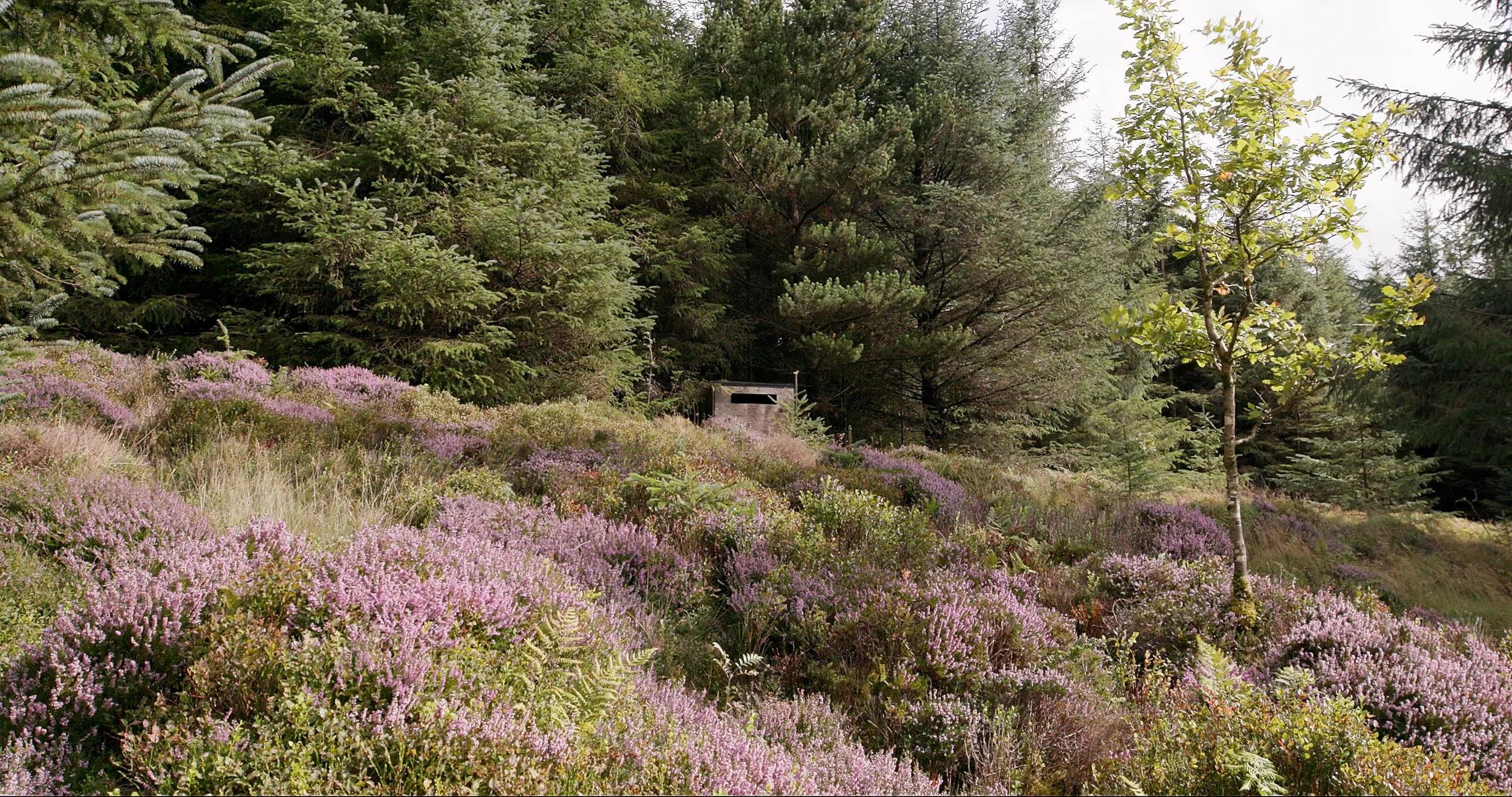
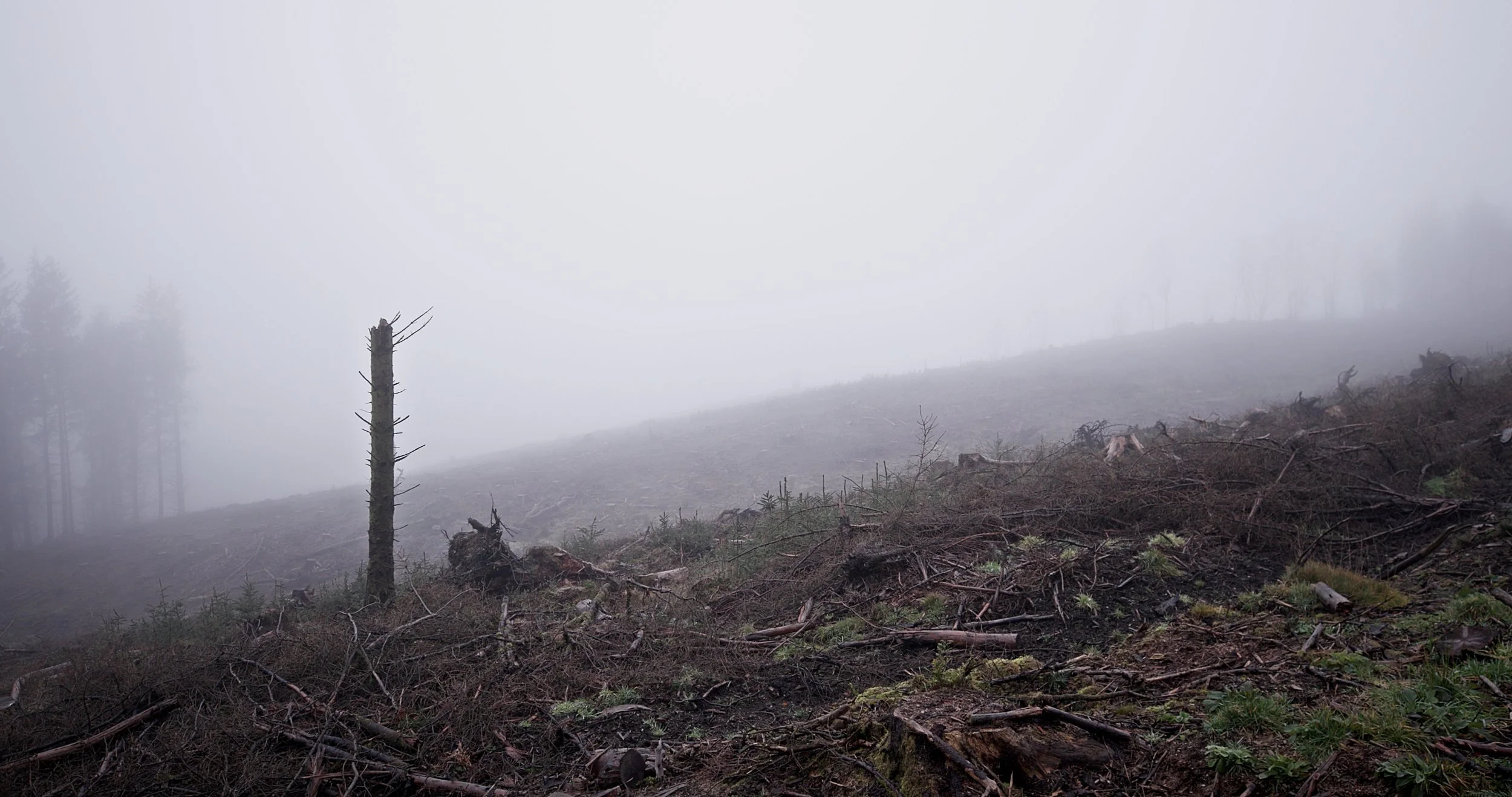
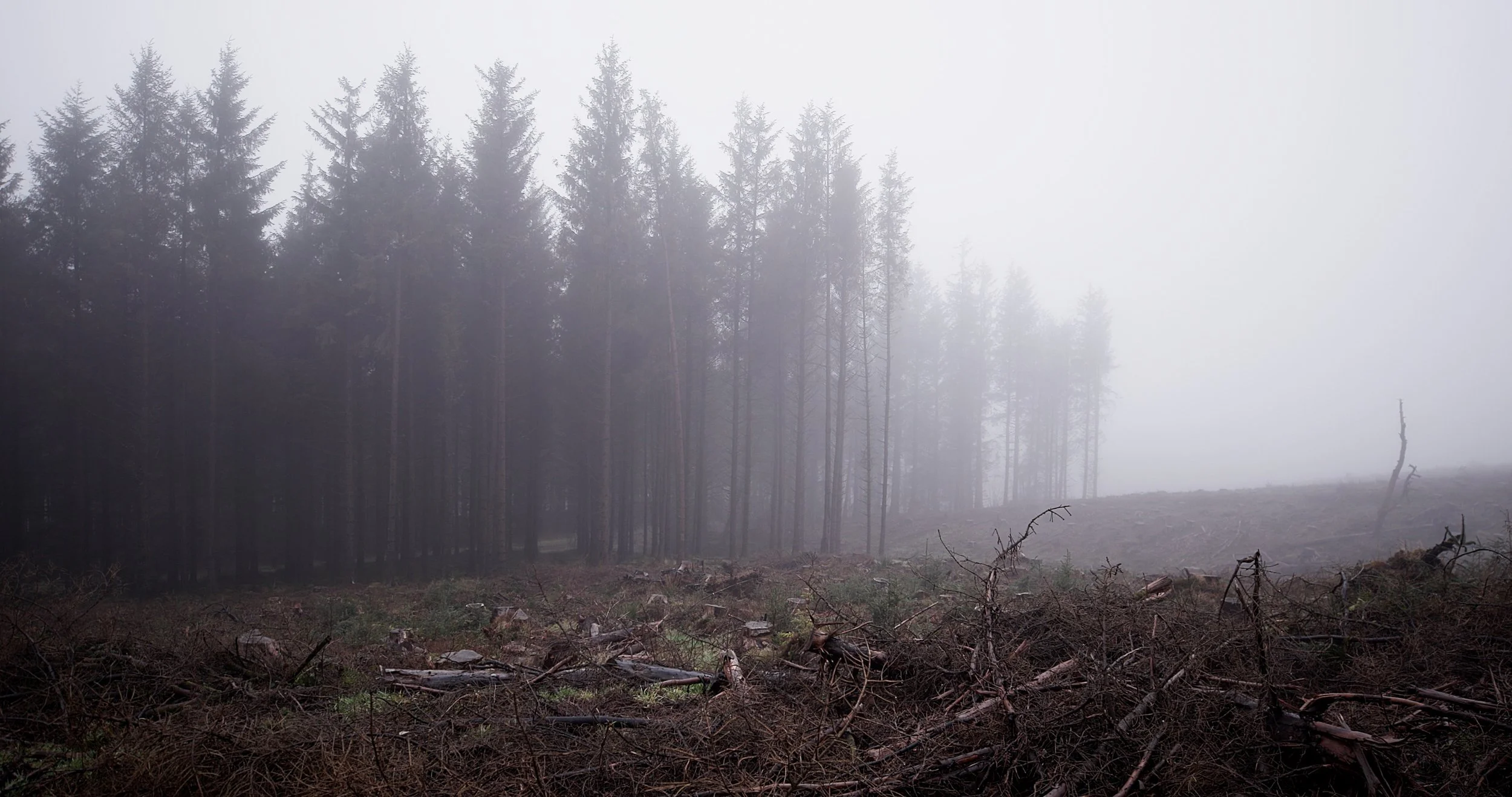
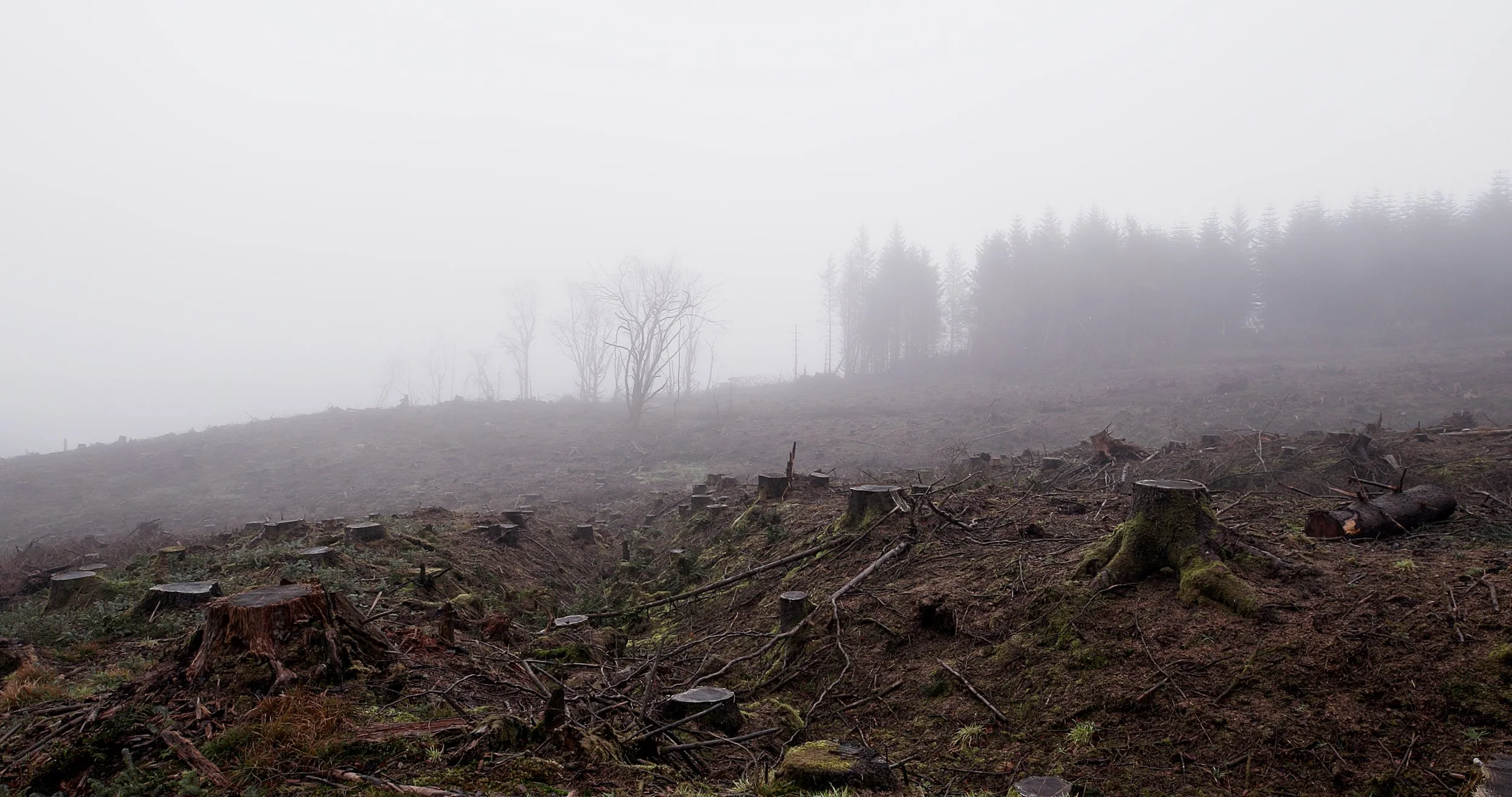
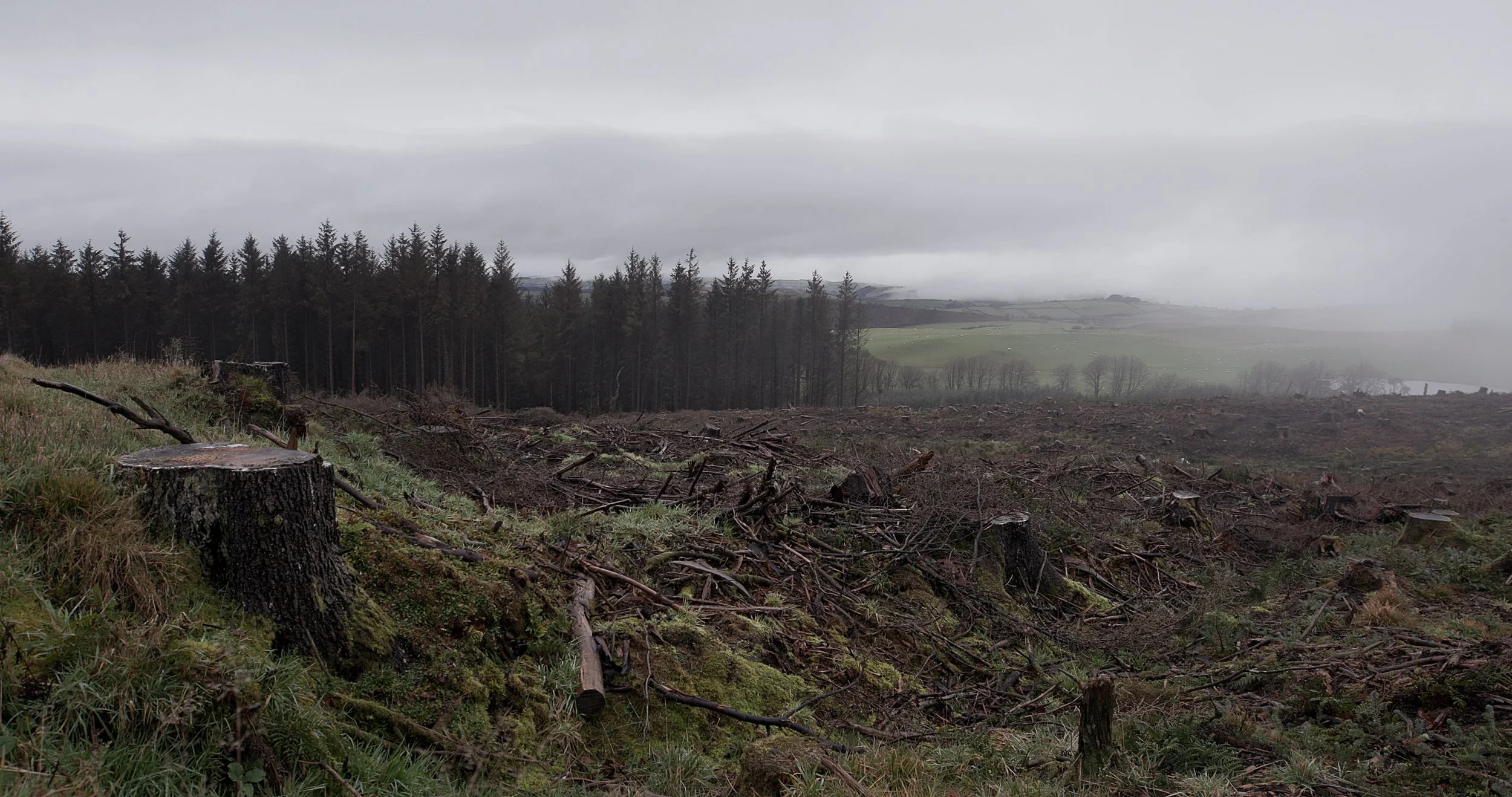
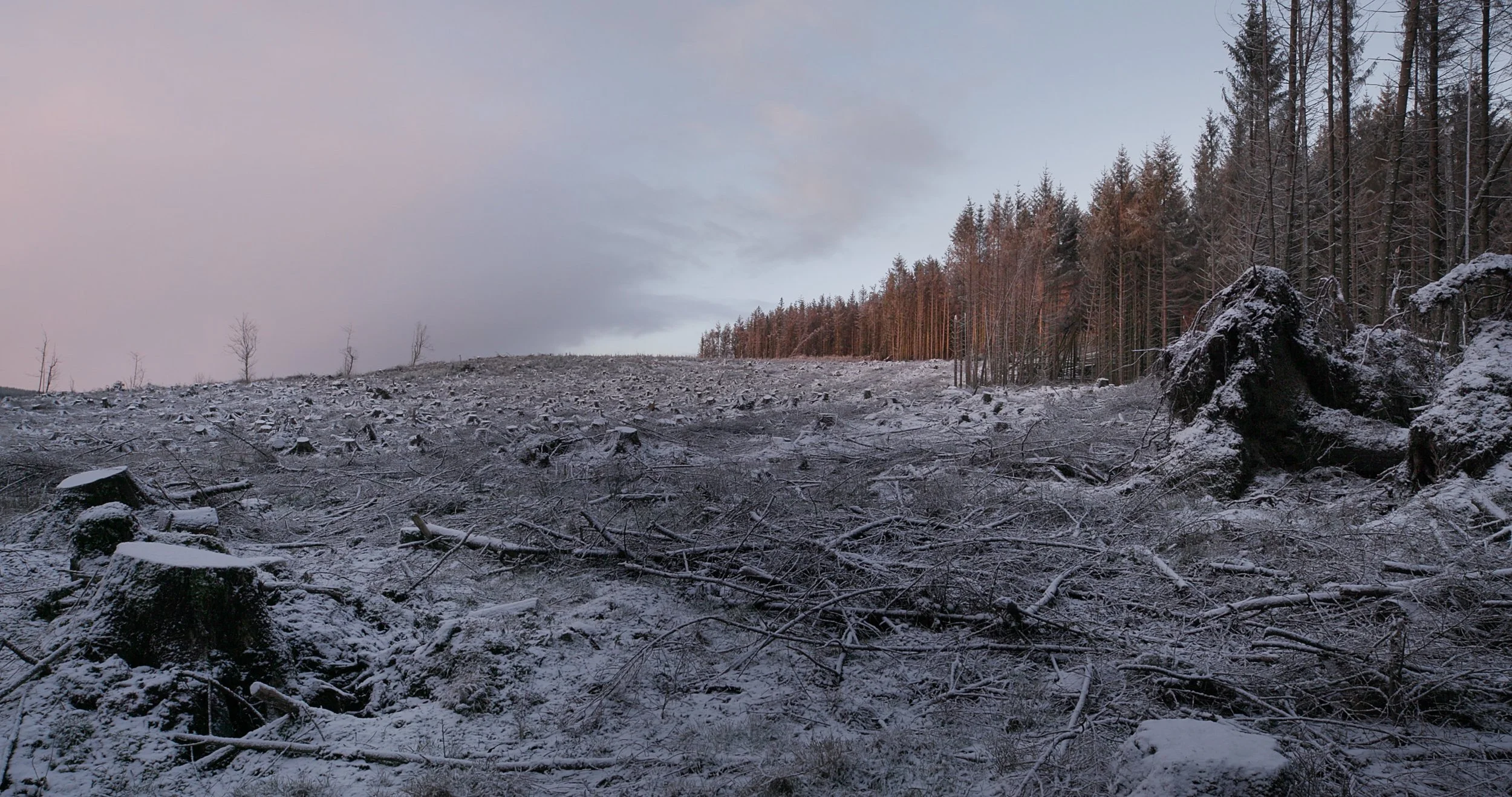
At dusk I lay out my bed beneath the lichened branches and crawl into my sleeping bag. I have walked deep into the heart of the forest and passed through an area of recent clearcutting. The logs were piled high on either side of the track and the air was heady with sap in the late afternoon air. This was not the work of a lone woodsman. Deep tank tracks of the logging machines is evidence of felling on an industrial scale.
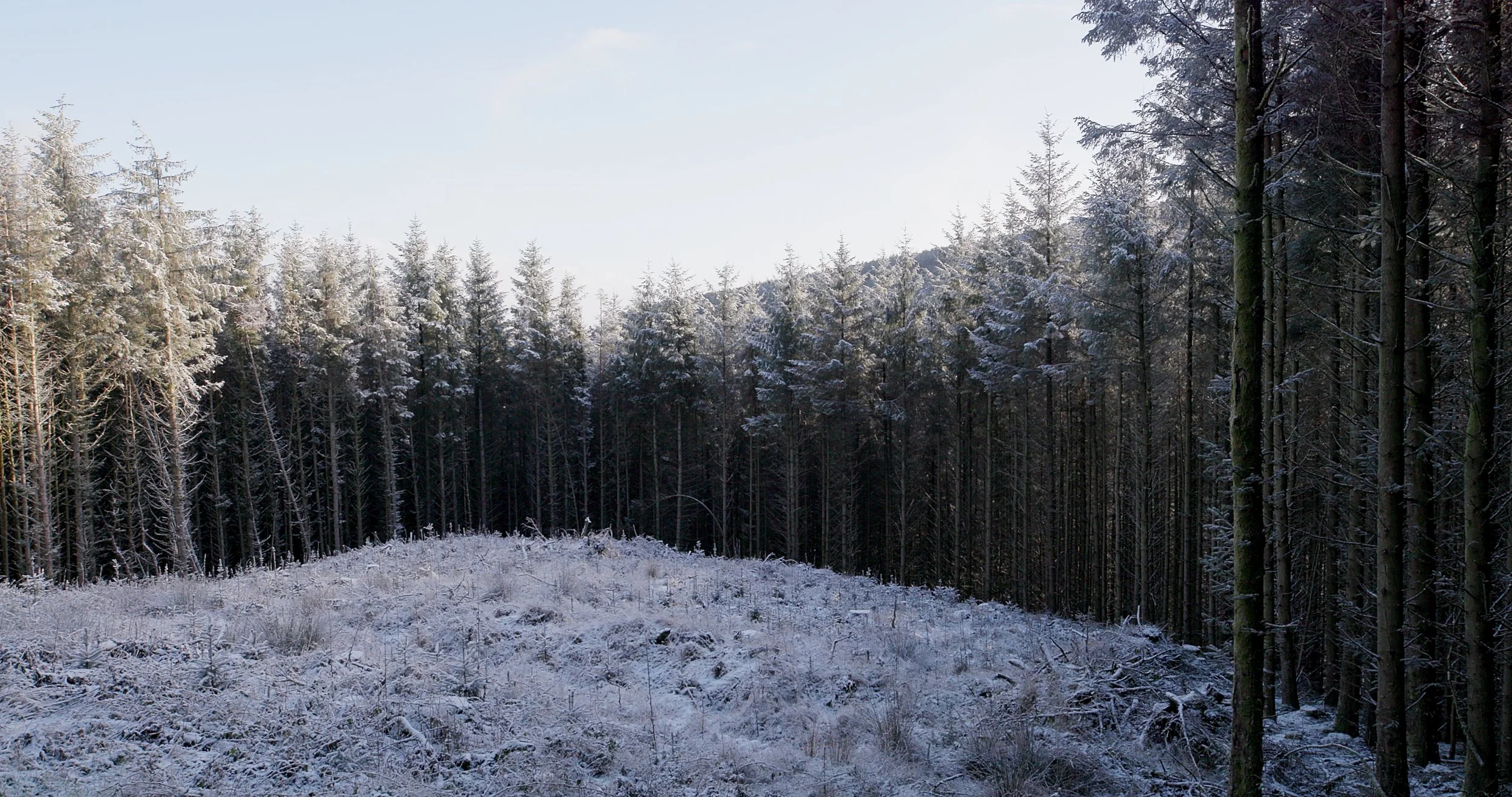
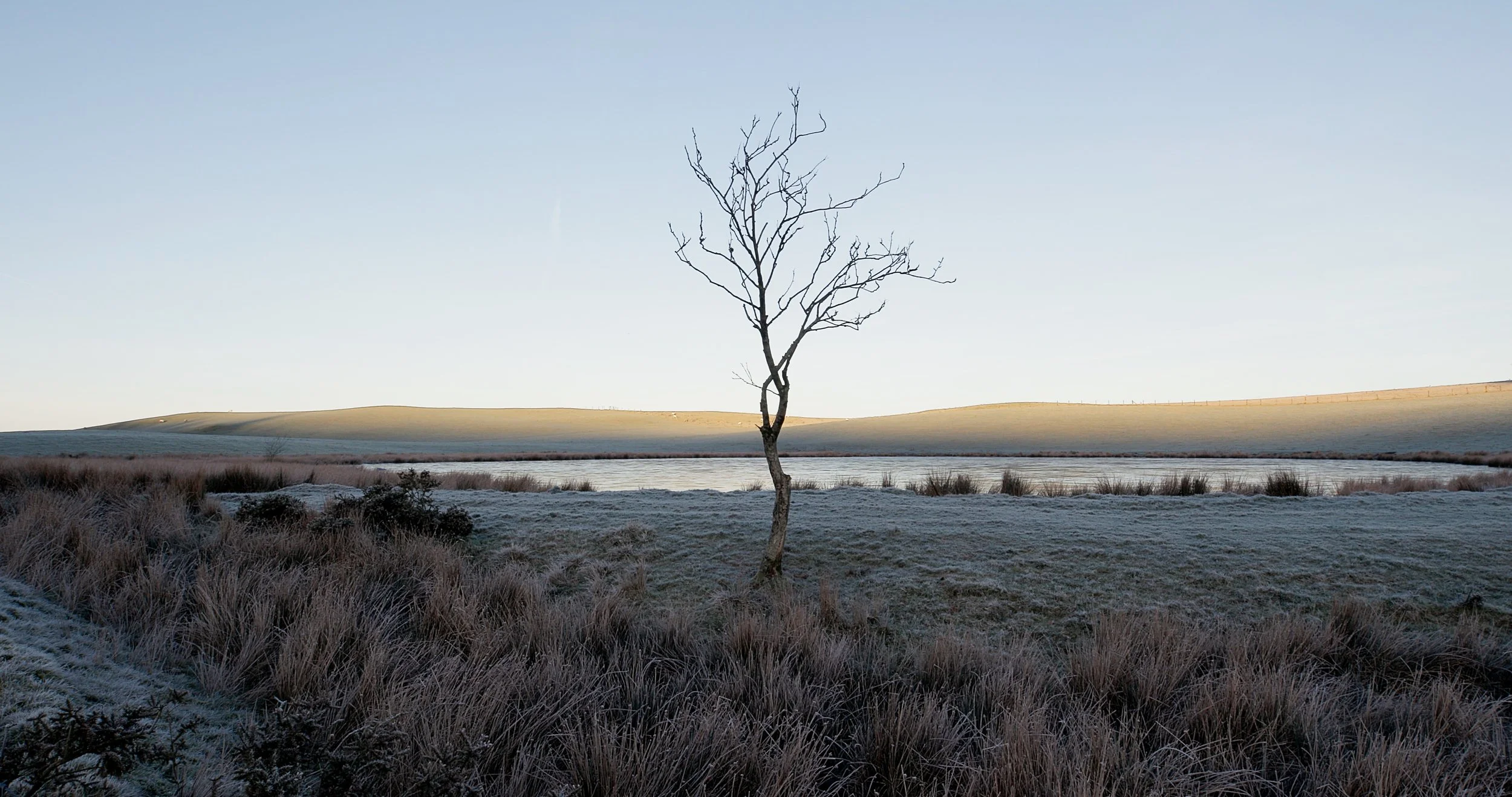
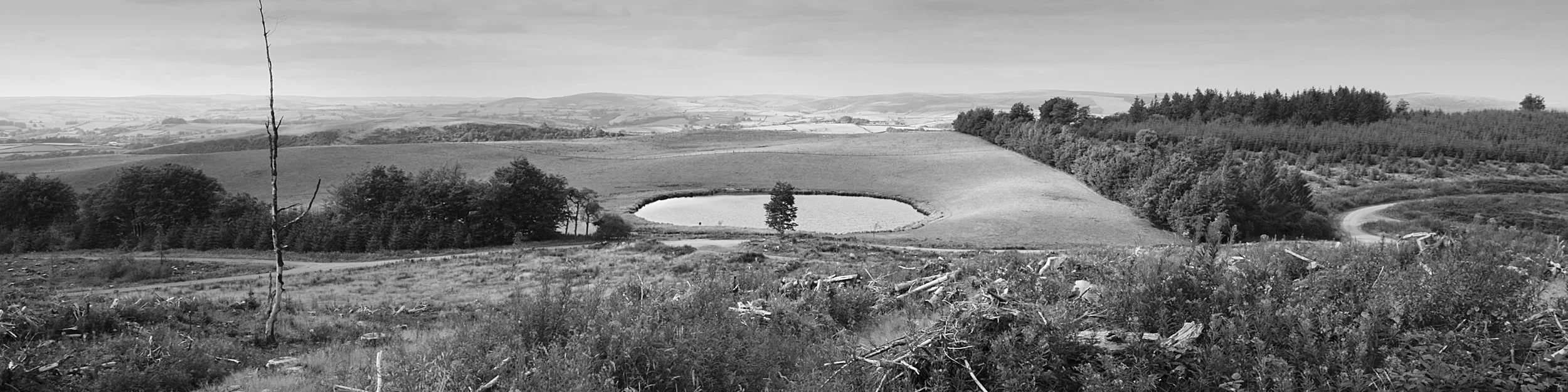
I had chosen a location for the night close to the upper limits of the forest - the boundary between the forest line and the open moorland. Once upon a time, all these hills were covered in trees. The peat on the tops is a testament to the forest that once was. But today this transitional zone between ecosystems is man made. It is not the natural treeline. From a distance this boundary resembles a shield-locked barrier that overlooks the decapitated remnants from another era.
‘Travelling by yourself you come closer to the land, closer to the animals. It’s a sort of melding with the environment around you. Here you are drawn out of yourself. Your eye wanders to distant horizons and looks for the details.’ (Robert Perkins, 1987, Into the Great Solitude)
In the dark I hear a distant gunshot, though its direction is difficult to determine. After a pause, a gentle breath of wind passes through the canopy above. It’s as if the forest is breathing out in response.
But how would it be to live in this forest? In the past, settlers slept under a chosen tree to decide where to build their homes. Seeing the spirit of the place in a dream was a sign that the place was right. The tree was the spirit’s house and it was cherished. It was offered the first of everything: the first harvest, the first milk from a cow who had just calved. The inhabitants’ destiny was closely connected to the tree. What happened to the tree happened to the people.
I’m woken by the whine of a distant chainsaw echoing in the valley below. Someone is cutting wood. I’m reminded of the framed portrait of a woodcutter in Another Way of Telling by John Berger and Jean Mohr. Like the rings of a tree I perennially return to this book. It has become a dependable companion when looking for clarity or not being able to see the word for the trees!
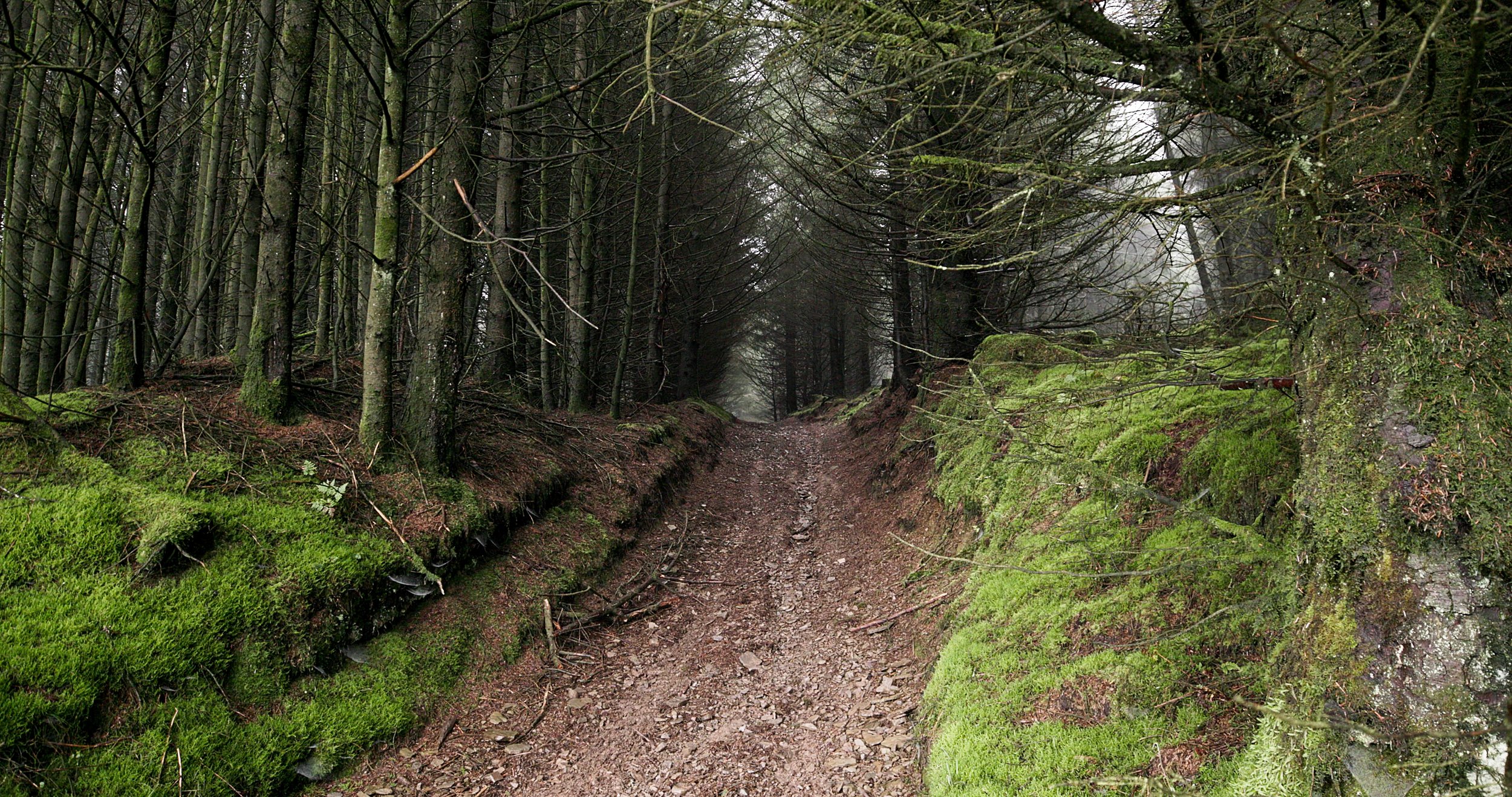
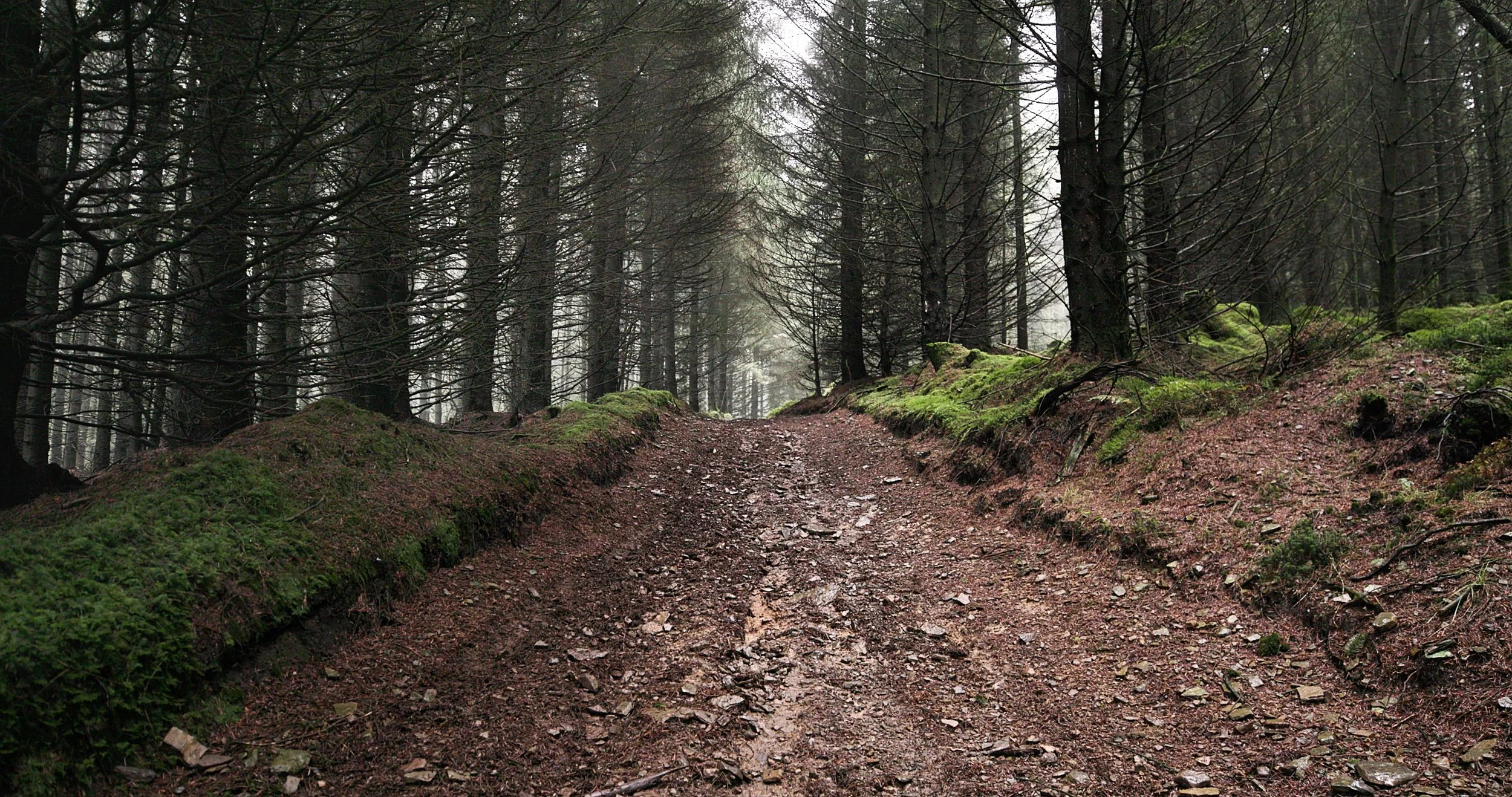
At day break shivelights (Gerard Manley Hopkins, 1888, That Nature is a Heraclitean Fire and of the comfort of the Resurrection) pierce the forest canopy. I roll up my bed and leave. I break the cover of the forest, re-associate and descend a forestry track back the way I had come. I walk past the wood piles I had passed the day before, the smell of sap still strong in the air.
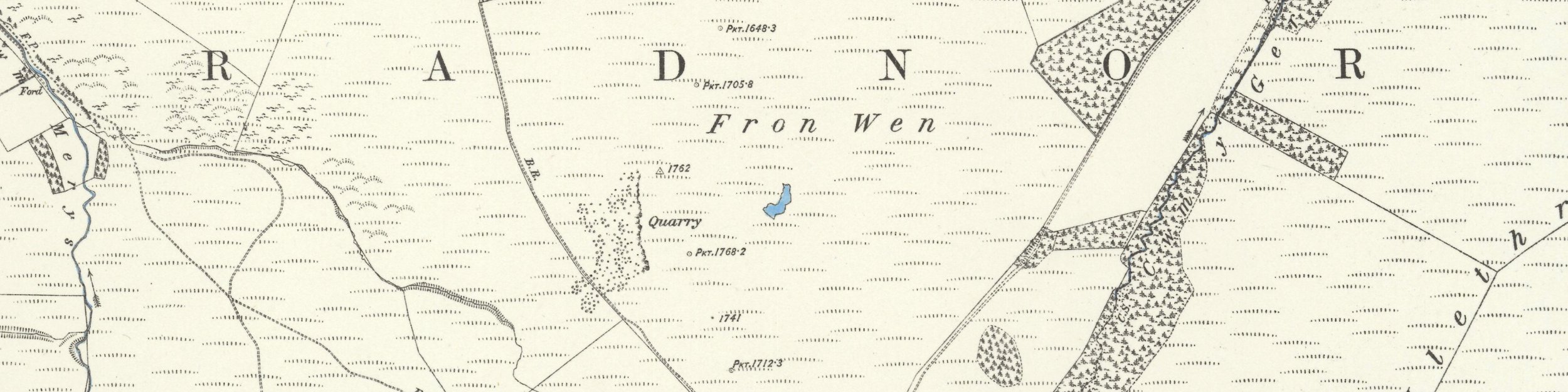
FRON-WEN IS THE CREATIVE PROJECT OF BEVIS BOWDEN
THE PROJECT WAS STARTED IN MAY 2025